- October 31, 2026
- Last Update 07:29 AM
Air Dryer Machine: Types, Working, Benefits, and Applications
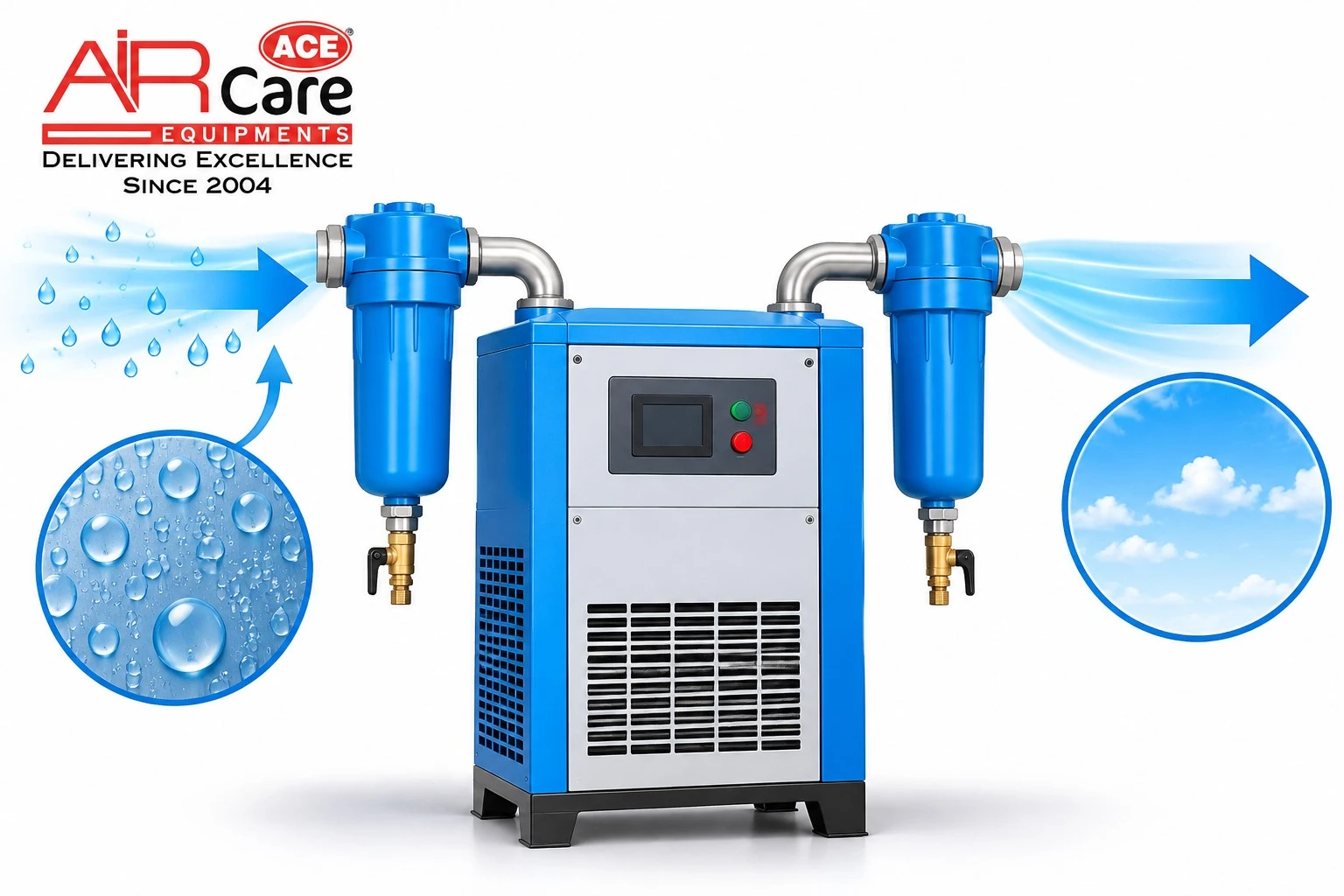
Moisture in compressed air can damage industrial equipment, affect product quality, and increase maintenance costs. An Air Dryer Machine helps remove unwanted moisture from compressed air, supporting reliable performance across different industrial applications.
Many manufacturing plants, workshops, and production facilities use air dryers to protect pneumatic tools and compressed air systems. Choosing the right dryer can help reduce moisture-related problems and maintain consistent air quality.
In this guide, we explain how an air dryer machine works, its types, benefits, and how to select the right system for your industry.
Quick Answer: What Is an Air Dryer Machine?
An air dryer machine is equipment that removes moisture from compressed air before the air reaches connected tools, machinery, or production processes. It helps prevent corrosion, protect pneumatic equipment, and maintain the required compressed air quality.
The right machine depends on airflow capacity, operating pressure, inlet temperature, and the pressure dew point required by the application.
How Does an Air Dryer Machine Work?
Atmospheric air naturally contains water vapour. When a compressor draws in and compresses this air, moisture enters the compressed air system. As the compressed air cools, some water vapour condenses into liquid water.
An air dryer machine reduces this moisture through a specific drying process.
The basic working process includes:
-
Air compression: The compressor draws in atmospheric air and increases its pressure.
-
Cooling: The compressed air cools, allowing some moisture to condense.
-
Moisture separation: A separator removes condensed water from the air.
-
Air drying: The air passes through the dryer, which reduces its remaining moisture.
-
Air distribution: The treated air moves through pipelines to the required equipment.
The exact process depends on the type of air dryer installed.
Types of Air Dryer Machines
Different applications require different levels of compressed air dryness. Understanding the main types helps you choose the right equipment.
1. Refrigerated Air Dryer
A refrigerated air dryer cools compressed air to condense water vapour. The resulting liquid water is collected and removed through a drainage system.
Main benefits:
-
Suitable for many general industrial applications.
-
Provides consistent moisture removal under suitable operating conditions.
-
Commonly used in manufacturing plants and workshops.
-
Often offers a practical solution for general-purpose compressed air systems.
Refrigerated dryers are suitable when the application does not require an extremely low pressure dew point.
2. Desiccant Air Dryer
A desiccant air dryer uses moisture-absorbing materials to remove water vapour from compressed air.
Main benefits:
-
Can achieve lower pressure dew points than standard refrigerated dryers.
-
Suitable for applications requiring very dry compressed air.
-
Useful for moisture-sensitive industrial processes.
These dryers may be used in pharmaceutical manufacturing, sensitive instrumentation, and other applications where strict moisture control is required.
3. Membrane Air Dryer
A membrane air dryer uses specialised membranes to separate water vapour from compressed air.
Main benefits:
-
Compact design.
-
Few moving parts.
-
Can be suitable for point-of-use applications.
-
Useful where specific airflow and dryness requirements can be met.
The correct choice depends on the operating conditions and air-quality requirements.
Benefits of Using an Air Dryer Machine
Installing a suitable air dryer machine can improve the reliability of a compressed air system.
1. Protects Industrial Equipment
Moisture can cause corrosion in pipelines, tanks, valves, and pneumatic tools. Removing excess moisture helps protect these components.
2. Improves Product Quality
In applications such as painting, packaging, and manufacturing, unwanted moisture can affect the final product. Dry compressed air helps reduce this risk.
3. Reduces Maintenance Requirements
Moisture-related damage can lead to repairs and equipment replacement. A properly selected and maintained dryer helps reduce these problems.
4. Supports Reliable Production
Dry compressed air helps pneumatic equipment operate consistently, reducing the risk of moisture-related interruptions.
5. Helps Maintain Air Quality
Different industrial processes require different levels of air dryness. A suitable dryer helps the system meet the required pressure dew point.
How to Choose the Right Air Dryer Machine
Selecting the correct dryer is important for performance, energy use, and long-term operating costs.
Consider the following factors before purchasing an air dryer machine.
Airflow Capacity
Check the total compressed air demand of your facility. The dryer should handle the required airflow under actual operating conditions.
Required Pressure Dew Point
Pressure dew point indicates the temperature at which moisture begins to condense from compressed air at a given pressure. Applications requiring very dry air may need a desiccant dryer.
Operating Pressure and Temperature
Inlet air temperature, ambient temperature, and operating pressure can affect dryer performance. Confirm that the selected model suits your working conditions.
Industrial Application
A workshop may have different requirements from a pharmaceutical plant or a precision manufacturing facility. Select the dryer according to the required air quality and process needs.
Energy Consumption
Compare the operating costs of different models. Consider pressure losses, purge-air requirements where applicable, and the energy needed to maintain the required dryness.
Maintenance and Service Support
Check filter requirements, drainage arrangements, spare parts availability, and access to technical support before making a decision.
Why Is Air Compressor Service Important?
Regular Air Compressor Service helps maintain equipment performance and supports the reliable operation of the compressed air system.
A maintenance routine may include:
-
Inspecting and replacing air filters when required.
-
Checking lubrication levels where applicable.
-
Inspecting connections and checking for air leaks.
-
Monitoring operating pressure and temperature.
-
Checking moisture separators and condensate drains.
-
Inspecting the air dryer and its drainage system.
-
Following the manufacturer's recommended service schedule.
A poorly maintained compressor or dryer may fail to provide the required airflow or air quality. Regular inspection helps identify problems early and reduces the risk of unexpected downtime.
How to Choose Air Compressor Manufacturers in Delhi NCR
When comparing Air Compressor Manufacturers in Delhi NCR, look beyond the initial purchase price. Choose a supplier that understands your application and can help you identify suitable equipment.
Before selecting a manufacturer or supplier, consider:
-
Product specifications and available capacities.
-
Compatibility with your compressed air dryer.
-
Installation and commissioning support.
-
Availability of spare parts.
-
Maintenance and repair services.
-
Technical support after installation.
-
Experience with your industry and application.
It is important to evaluate the compressor, dryer, filtration equipment, and drainage system together. A properly matched system can help maintain the required air quality and operating performance.
Common Air Dryer Machine Problems
An air dryer may not perform as expected if it is incorrectly sized, poorly maintained, or operated outside its specified conditions.
Common problems include:
-
Moisture remaining in the compressed air line.
-
Blocked or faulty condensate drains.
-
Dirty filters restricting airflow.
-
Excessively high inlet air temperatures.
-
Airflow exceeding the dryer's rated capacity.
-
Incorrect selection of the dryer type.
-
Lack of regular maintenance.
If moisture continues to appear downstream, check the dryer operating conditions, drainage system, filters, and required pressure dew point. Seek qualified technical support when necessary.
Frequently Asked Questions
1. What is the main purpose of an air dryer machine?
An air dryer machine removes unwanted moisture from compressed air. It helps protect industrial equipment, reduce corrosion, and maintain the air quality required by different applications.
2. Which type of air dryer machine is best for industrial use?
The best type depends on airflow, operating conditions, and the required pressure dew point. Refrigerated dryers suit many general industrial applications, while desiccant dryers are useful when very dry air is required.
3. How often should an air dryer machine be serviced?
Service frequency depends on the dryer type, operating hours, environment, and manufacturer's recommendations. Regularly inspect filters, drains, and operating performance.
4. Why should I compare air compressor manufacturers in Delhi NCR?
Comparing manufacturers helps you evaluate equipment specifications, application suitability, installation support, spare parts, and maintenance services before making a purchase.
5. Does an air dryer machine require regular maintenance?
Yes. Regular inspection helps maintain drying performance. Maintenance may include checking drains, filters, operating conditions, and other components according to the manufacturer's instructions.
Conclusion
An Air Dryer Machine is an important part of a reliable compressed air system. It removes unwanted moisture, helps protect industrial equipment, and supports consistent production quality.
Before choosing a machine, evaluate your airflow requirements, operating pressure, pressure dew point, energy consumption, and maintenance needs. Selecting compatible equipment and following a regular service schedule can help improve system reliability.
Air Care Equipment offers industrial compressed air equipment solutions. Assess your application requirements carefully to select an air dryer machine that suits your operating conditions and air-quality needs.
Popular Posts
Business

Technology

Health

Real Estate

Real Estate

Real Estate

Business

Technology

Real Estate

Business