- October 31, 2026
- Last Update 09:16 AM
Commercial Solar Power Plant: A Simple Guide for Businesses in 2026
Direct Answer
A commercial solar power plant helps businesses generate electricity using sunlight. It can reduce monthly power bills, make use of empty rooftop space, and lower dependence on grid electricity. Offices, factories, warehouses, and other commercial buildings can benefit from solar energy. With the right system size and proper installation, businesses can manage their long-term energy costs more effectively.
Introduction
Electricity is one of the main costs of running a business. From lights and air conditioners to heavy machines, most workplaces need power every day.
As energy needs grow, many business owners are looking for ways to control their monthly bills.
Solar power is one option worth exploring.
It allows businesses to produce electricity from sunlight instead of depending only on grid power.
However, choosing a solar system involves more than installing a few panels. You need to understand your energy use, available space, system cost, and future needs.
This guide explains how commercial solar works, its benefits, and what businesses should check before making a decision.
What Is a Commercial Solar Power Plant?
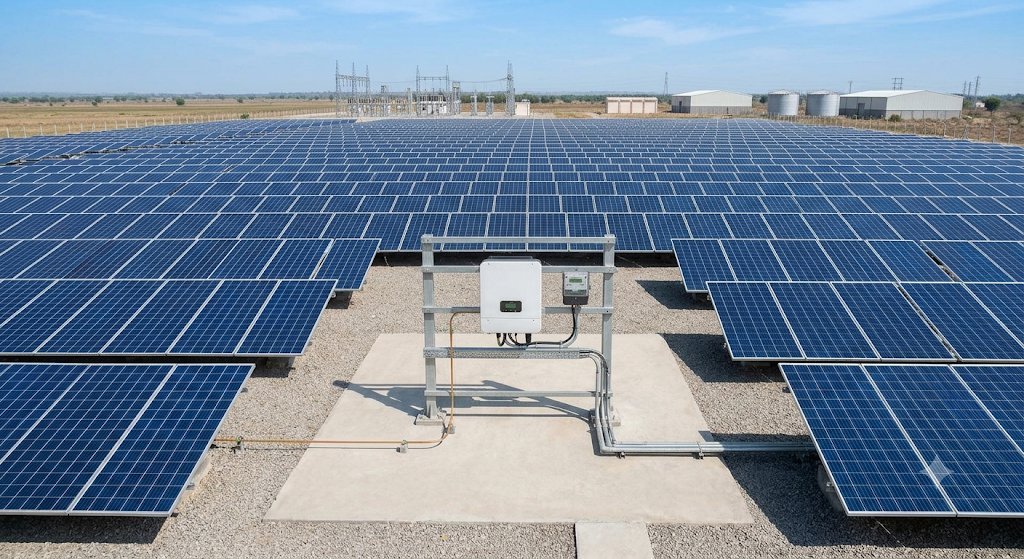
A Commercial Solar Power Plant is a solar energy system designed to meet the electricity needs of business properties.
It uses solar panels to collect sunlight and turn it into electricity through an inverter.
This power can be used to run office equipment, lights, cooling systems, and other electrical devices.
These systems are commonly installed at:
- Office buildings
- Shopping centres
- Warehouses
- Hotels
- Schools and colleges
- Factories and industrial units
The right system size depends on the property's power use, available installation space, and electrical requirements.
Why Should Businesses Consider Commercial Solar?
Solar energy can offer several long-term benefits when the system is planned correctly.
1. Helps Reduce Electricity Bills
Businesses often use a large amount of electricity during the day.
Solar panels can generate power during these hours, helping reduce the amount of electricity purchased from the grid.
2. Makes Better Use of Roof Space
Many commercial buildings have large roofs that remain unused.
Solar panels can turn this space into a useful source of energy.
3. Supports Clean Energy Goals
Solar energy helps businesses reduce their dependence on electricity generated from fossil fuels.
It can also support wider environmental and sustainability goals.
4. Helps Manage Long-Term Energy Costs
A well-designed system can generate electricity for many years.
Actual savings depend on installation cost, electricity rates, system performance, and maintenance.
How Does a Commercial Solar System Work?
The process is quite simple.
- Solar panels collect sunlight.
- The panels generate direct current (DC) electricity.
- An inverter converts DC power into usable alternating current (AC) electricity.
- The business uses the generated power.
- Depending on the system and local rules, unused electricity may be exported to the grid or stored in batteries.
A professional site assessment helps determine which setup is suitable for your property.
Which Solar System Is Best for Your Business?
There are three common solar system options.
|
System Type |
How It Works |
Suitable For |
|
On-Grid |
Works with the main electricity grid |
Offices, shops and commercial buildings |
|
Off-Grid |
Uses batteries without relying on the main grid |
Remote business locations |
|
Hybrid |
Combines solar, grid power and battery storage |
Businesses that need backup power |
For many businesses with a reliable grid connection, an on-grid system may be worth considering.
However, the best choice depends on power needs, backup requirements, budget, and local regulations.
What Should You Check Before Installing Commercial Solar?
Before investing in solar power, review these important factors.
Electricity Usage: Check your past electricity bills to understand how much power your business uses.
Available Space: Make sure your roof or installation area has enough space and receives suitable sunlight.
Roof Condition: Check whether the structure can safely support solar panels.
Equipment Quality: Ask about panel efficiency, inverter specifications, warranties, and safety features.
Installation Experience: Choose a team with experience in commercial solar projects.
Maintenance Support: Understand what service and support will be available after installation.
These checks can help you avoid extra costs and choose a system that meets your business needs.
How Much Does a Commercial Solar Power Plant Cost?
The cost of a commercial solar project depends on several factors.
These include:
- Total system capacity
- Type and quality of solar panels
- Inverter and electrical equipment
- Roof structure and installation requirements
- Battery storage, if required
- Project design and labour costs
A larger system may cost more at the start, but it can also generate more electricity when designed for suitable demand.
Instead of choosing a system based only on price, businesses should compare its expected output, warranty, operating costs, and long-term value.
Why Does Professional Solar EPC Planning Matter?
EPC stands for Engineering, Procurement, and Construction.
It covers the main stages of a solar project, from system design and equipment selection to installation and testing.
Good EPC planning helps ensure that each part of the project works together.
It also helps businesses understand the project timeline, safety requirements, and expected system performance.
For commercial properties, proper planning is important because electricity needs can vary across working hours and seasons.
How Can Rishika Kraft Solar Help Businesses?
Rishika Kraft Solar provides solar solutions for commercial and industrial properties.
The company focuses on understanding each project's energy requirements, available space, and long-term goals before recommending a suitable setup.
Its services include solar consultation, project planning, EPC solutions, installation, and maintenance support.
For businesses exploring solar energy, professional guidance can make the process easier to understand and manage.
Frequently Asked Questions
1. Is commercial solar suitable for small businesses?
Yes. Small offices, shops, and other business properties can use solar power if they have suitable installation space and electricity demand.
2. How long can a commercial solar system last?
Quality solar panels are commonly designed for 25 years or more. However, other parts, such as inverters, may need replacement sooner.
3. Can a business use solar power at night?
Standard solar panels do not generate electricity at night. Businesses can use grid electricity or stored battery power, depending on their system.
4. Does commercial solar require regular maintenance?
Yes. Basic cleaning, system monitoring, and routine inspections help maintain safe and efficient operation.
Conclusion
Solar energy offers businesses a practical way to manage rising electricity costs and make better use of available space.
Before investing, it is important to review your energy needs, property condition, system options, and expected savings.
A well-planned solar project can support reliable performance and long-term value.
Rishika Kraft Solar helps businesses explore suitable solar solutions through professional planning, EPC services, and installation support.
With the right approach, switching to solar can become a useful step towards better energy management and a cleaner future.
Popular Posts
Health

- October 31, 2026
How to Find ADHD Treatment Centres in Kochi
Business
- October 31, 2026
Top 5 Refrigerator Brands in India 2026: A Complete Buying Guide
Business
Business
- October 31, 2026
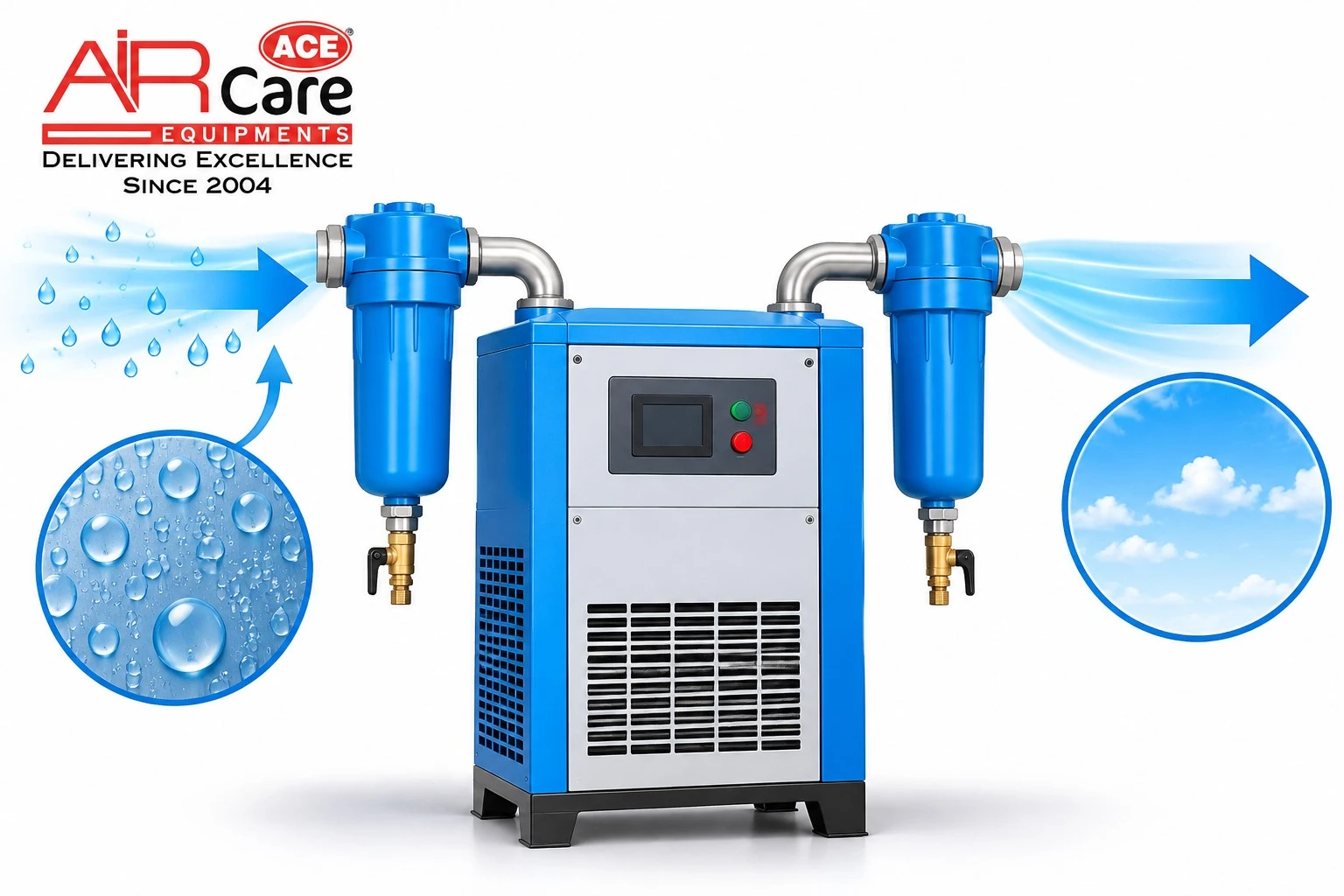
Air Dryer Machine: Types, Working, Benefits, and Applications
Technology

Health

Real Estate
Real Estate

Real Estate

Business