- October 31, 2026
- Last Update 11:44 AM
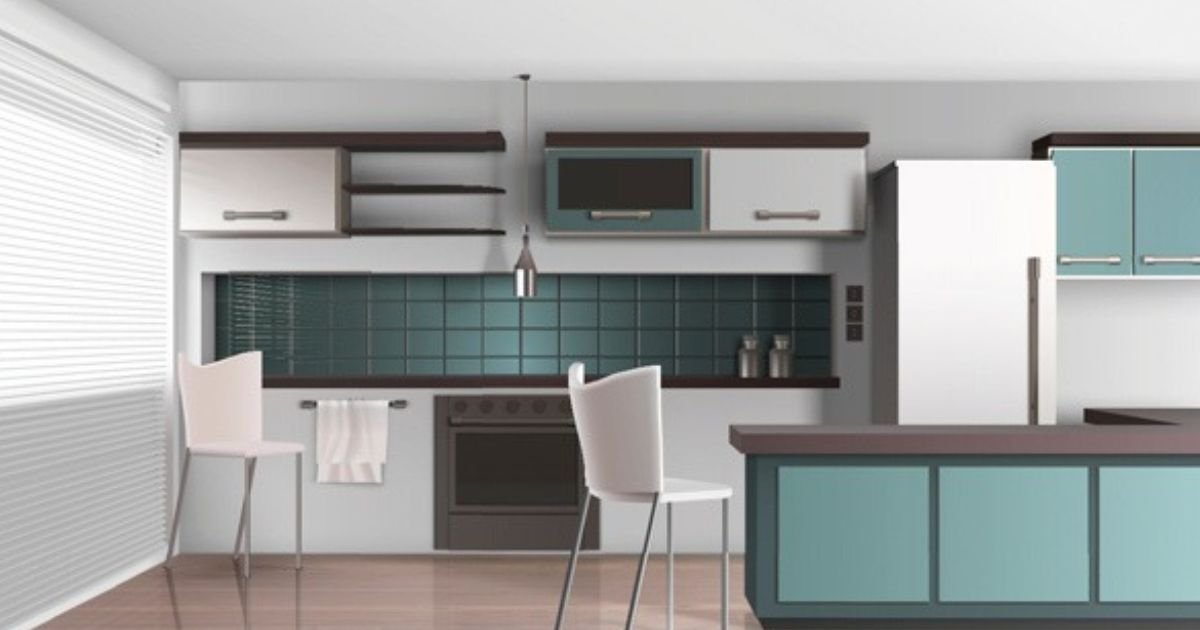
How to Compare Custom Modern Kitchen Design Quotes Before Deciding
Receiving multiple estimates for your home renovation project often leads to confusion rather than clarity. You send out your room measurements to three different interior studios, expecting clear numbers. Instead, you get three widely different price points that look impossible to compare side by side. One vendor quotes a low figure that seems too good to be true, while another submits an expensive proposal without explaining why.
Understanding why these estimates vary so drastically is essential before signing any contract. Each designer uses different carcass materials, hardware brands, and finishing techniques that change the final scope. Without a clear framework, you risk picking an option that looks cheap upfront but requires costly repairs later.
Comparing proposals requires you to look beyond the final bottom-line figure on paper. You must examine every line item, from base cabinet density to drawer slider specifications. Investing in custom kitchens gives you tailored storage solutions, but only if you align your expectations with the right scope of work.
Planning custom kitchens means evaluating long-term durability alongside initial costs. When you understand how each component influences the total estimate, you make a confident decision for your home. At Novella Kitchens, we focus on complete pricing transparency so homeowners know exactly where their money goes. This guide outlines the exact steps to evaluate interior estimates and select the right partner.
Why Interior Quotes Vary So Widely
Design estimates often look completely different because vendors quote entirely different specifications. A low initial estimate usually covers basic particle board boxes with standard manually closing doors. A higher estimate often includes marine-grade waterproof plywood, soft-closing European mechanisms, and premium acrylic finishes.
Additionally, some interior companies omit critical site preparation services from their baseline proposals. Plumbing relocations, electrical rewiring, and countertop installation fees often get added later as surprise costs. Comparing proposals fairly requires standardizing these elements first.
Common Factors Causing Price Discrepancies
-
Core Material Quality: Commercial grade plywood costs far less than Boiling Water Proof (BWP) IS 710 plywood.
-
Hardware Tier: Standard zinc hinges cost significantly less than German engineered soft-close systems.
-
Service Scope: Some quotes exclude civil alterations, transport, and final assembly charges.
Key Components to Verify in Every Estimate
To compare proposals effectively, you must normalize the figures across four core categories. Asking vendors to clarify these specific line items levels the playing field instantly.
+-------------------------------------------------------------------+
|                     Core Quote Comparison Checklist              |
+-------------------------------------------------------------------+
| 1. Cabinet Carcass  --> Check plywood grade & water resistance    |
| 2. Shutter Finishes --> Compare laminate vs. acrylic vs. PU paint |
| 3. Hardware Brands  --> Verify drawer load capacity & soft-close  |
| 4. Service Scope    --> Ensure delivery & installation are included |
+-------------------------------------------------------------------+
Carcass and Shutter Specifications
The cabinet carcass forms the structural backbone of your cooking space. Always check if the vendor uses High-Density Moisture-Resistant (HDMR) boards or BWP plywood. For shutter fronts, high-gloss acrylic and polyurethane (PU) paint carry higher price points than standard matte laminates.
Hardware and Mechanical Accessories
Mechanical components experience daily wear and tear. Ensure every proposal lists the specific brand and load capacity for drawer runners, corner units, and pantry pull-outs. Generic hardware lowers the initial quote but shortens the overall lifespan of your cabinets.
Quote Comparison Matrix
Use this breakdown to compare two or three vendor estimates side by side. This structured format helps you spot missing items quickly.
| Feature / Line Item | Vendor A (Low Quote) | Vendor B (Mid-Range) | Vendor C (Premium) |
| Carcass Material | Commercial Ply | BWP Plywood (IS 710) | BWP Plywood (IS 710) |
| Shutter Finish | 1mm Matte Laminate | Anti-Fingerprint Acrylic | PU Lacquered Glass |
| Hardware Brand | Unbranded / Local | Certified European | Certified European |
| Countertop | Excluded | Jet Black Granite | Engineered Quartz |
| Installation Fees | Billed Separately | Included | Included |
| Warranty | 1 to 2 Years | 10 Years | 10 to 15 Years |
Step-by-Step Quote Evaluation Process
Evaluating design estimates systematically prevents costly oversights during the installation phase. Follow these four steps before making your final payment.
1.Request Itemized Quotations:
Ask every vendor for a line-item bill of quantities instead of a single lump-sum figure. Itemized lists reveal exact material choices and hardware models.
2.Standardize the Material Baseline:
Ensure all vendors quote the same core board thickness and moisture resistance grade. Comparing BWP plywood against particle board skews your financial evaluation.
3.Check Included Services:
Confirm whether transportation, site measurements, 3D visual design fees, and post-installation cleanups are covered in the main price.
4.Verify Warranty Terms:
Review the written warranty policy. Ensure the coverage distinguishes between cabinet carcass integrity and mechanical hardware moving parts.
Hidden Costs to Watch Out For
Unclear proposals frequently hide additional charges that emerge only after work begins on site. Spotting these items early protects your renovation budget.
-
Civil and Plumbing Work: Moving gas lines, shifting sink drains, or cutting core holes for exhaust hoods often carries extra labor costs.
-
Countertop Fabrication: Cutting, edge-molding, and fixing natural granite or quartz slabs require specialized stonemason fees.
-
GST and Logistics: Verify whether the final total includes local taxes, freight handling, and elevator transport for high-rise apartments.
Smart Ways to Optimize Your Investment
You can achieve a durable, beautiful interior layout without exceeding your intended budget. Strategic decision-making lets you balance luxury with daily practicality.
-
Mix and Match Finishes: Use premium acrylic or glass finishes on eye-level upper cabinets. Apply durable, cost-effective laminates to heavy-use lower drawers.
-
Focus Hardware Spend: Invest in high-capacity soft-close channels for heavy utensil drawers. Use standard sturdy hinges on overhead storage doors.
-
Select Standard Module Sizes: Custom cabinet widths require specialized factory tool setups. Sticking to standard modular dimensions lowers manufacturing expenses.
Reviewing a modern kitchen design price estimate becomes much easier when you break down material specifications and hidden service fees step by step. Evaluating these details protects your wallet while ensuring long-term satisfaction.
Choosing an experienced design team simplifies the entire planning journey. When you want clear line-item estimates, high-grade materials, and transparent execution, Novella Kitchens offers expert advice tailored to your lifestyle. Knowing the realistic modern kitchen design price range helps you plan with total peace of mind.
Frequently Asked Questions
Why do custom kitchen quotes vary so much between vendors?
Estimates vary because interior vendors use different core materials, hardware brands, and finishing layers. A low estimate often relies on commercial plywood and generic hardware. Higher estimates include waterproof BWP plywood, certified soft-close mechanisms, and full installation support.
-
What is the most important item to check in a design estimate?
The core carcass material is the most critical item to verify. Because kitchen cabinets face daily moisture and heavy loads, insisting on Boiling Water Proof (BWP) IS 710 plywood ensures structural strength and prevents swelling over time.
-
Are installation and delivery charges usually included in estimates?
Not always. Some interior companies exclude delivery freight, floor-wise lifting fees, and final assembly labor to make their initial estimate appear lower. Always ask vendors to confirm that installation charges are included in writing.
-
How do I know if the hardware quoted is genuine?
Request detailed brand names, model numbers, and official warranty certificates in your itemized proposal. Reputable vendors clearly specify their hardware partners and provide written long-term warranties for all mechanical components.
-
Should I choose a lump-sum quote or an itemized quotation?
Always choose an itemized quotation. Itemized quotes detail the cost of every board, shutter, handle, and accessory. This transparency prevents surprise charges when you request minor layout adjustments during the design phase.
-
How can I lower my design estimate without sacrificing quality?
You can lower costs by choosing durable laminates instead of high-end lacquered glass or acrylic. Additionally, sticking to standard modular cabinet widths and prioritizing soft-close mechanisms only on heavy-use drawers reduces total expenses significantly.
Conclusion
Comparing interior design quotes takes careful attention, but the effort pays off in long-term peace of mind. By demanding itemized breakdowns, standardizing material baselines, and accounting for site installation fees, you protect yourself from unexpected budget overruns. Evaluating proposals methodically guarantees that your chosen design partner delivers both exceptional quality and lasting value.
When you are ready to explore transparent pricing and personalized design options, our team is here to help. Visit Novella Kitchens today to schedule a professional consultation and receive a clear, itemized proposal for your home.
Popular Posts
Health

- October 31, 2026
How to Find ADHD Treatment Centres in Kochi
Business

- October 31, 2026
Top 5 Refrigerator Brands in India 2026: A Complete Buying Guide
Technology

- October 31, 2026
Commercial Solar Power Plant: A Simple Guide for Businesses in 2026
Business

Business

- October 31, 2026
Air Dryer Machine: Types, Working, Benefits, and Applications
Technology

Health

Real Estate

Real Estate

Real Estate