
- November 13, 2026
- Last Update 11:59 PM
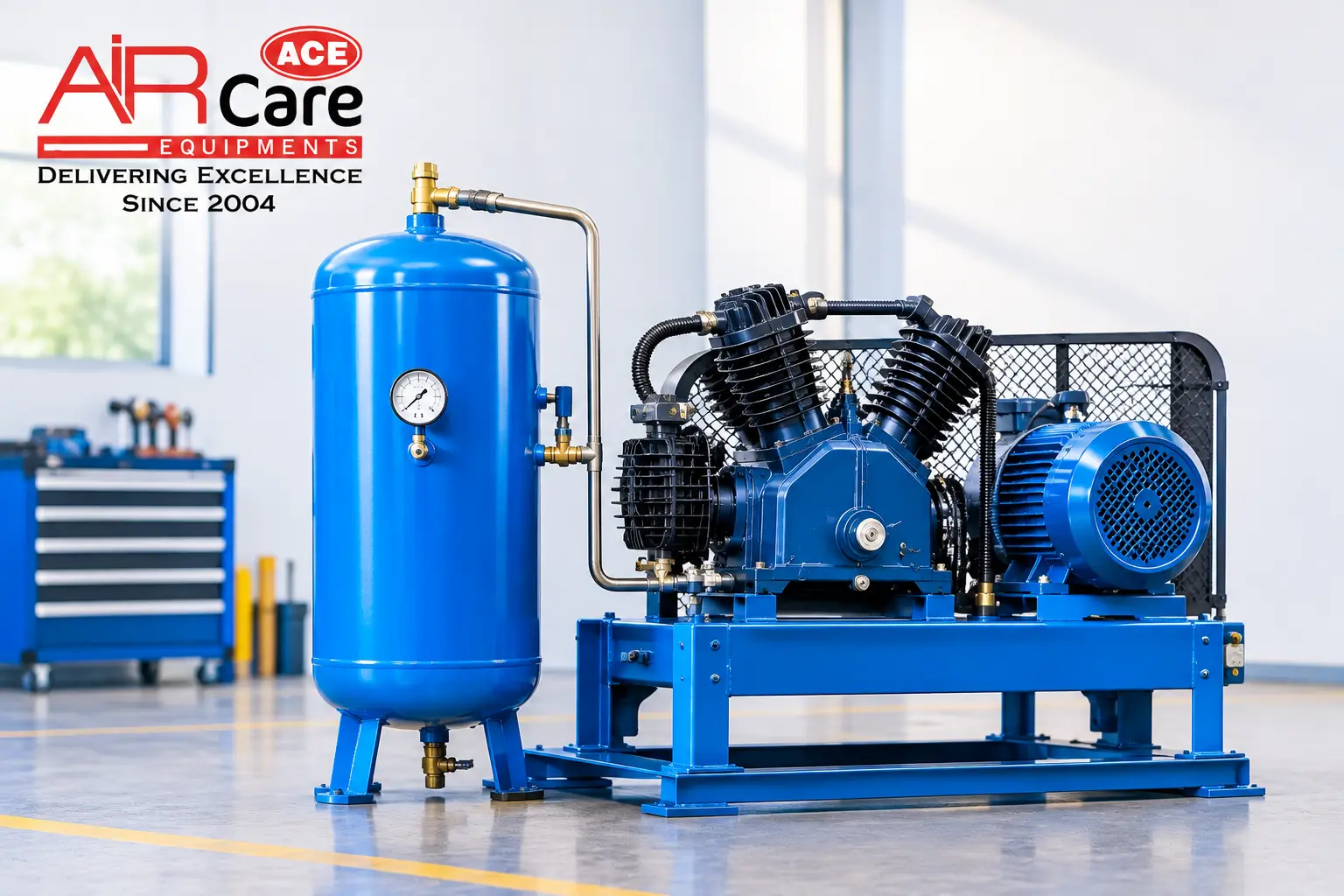
High Pressure Air Compressors: Types, Uses and Benefits
Quick Answer
High-pressure air compressors are designed to compress air and deliver it at higher pressure levels for specialised industrial applications. They are used in manufacturing, testing, automotive, engineering, and other industries that require high-pressure compressed air. Choosing the right compressor depends on pressure requirements, airflow capacity, operating conditions, and application needs. Regular maintenance also helps maintain reliable performance and equipment life.
What Are High Pressure Air Compressors?
High Pressure Air Compressors are machines that increase atmospheric air pressure to meet the requirements of specific industrial processes. Unlike standard compressors, these machines are designed to operate at higher pressure levels.
They are used in applications where ordinary compressed air systems may not provide sufficient pressure. Depending on the equipment design, they can support industrial testing, specialised manufacturing processes, pneumatic operations, and other high-pressure applications.
Selecting the correct compressor is important for maintaining operational efficiency and ensuring compatibility with connected equipment. Businesses should evaluate pressure, airflow, duty cycle, and safety requirements before purchasing.
How Do High Pressure Air Compressors Work?
A high-pressure air compressor draws atmospheric air into its compression system and increases its pressure through one or more compression stages. The compressed air is then delivered to the required equipment or storage system.
Some compressors use piston-based mechanisms, while others use different compression technologies depending on the required output and application.
The compressor's performance depends on several factors, including motor capacity, compression stages, cooling arrangements, airflow, and operating pressure. Correct installation and regular maintenance are also important for dependable operation.
Types of High Pressure Air Compressors
Different industries require different compressor technologies. The main types include:
1. Reciprocating High Pressure Air Compressors
Reciprocating compressors use pistons moving inside cylinders to compress air. They are available in different configurations and can be designed for applications requiring higher pressure.
These compressors are commonly considered for industrial processes where pressure requirements and air demand suit piston-based technology.
2. Multi-Stage Air Compressors
Multi-stage compressors compress air through more than one stage. Intercooling between stages can help manage the temperature generated during compression.
They are suitable for applications where higher pressure output is required. The correct configuration depends on the required pressure, airflow, and operating conditions.
3. Industrial Screw Compressors
A Screw Type Air Compressor uses two rotating screw elements to compress air. These compressors are widely used in industrial facilities that need a continuous compressed air supply.
They are commonly selected for manufacturing plants, production units, and other applications with regular air demand. However, the suitability of a screw compressor for a high-pressure requirement depends on its rated specifications and design.
Applications of High Pressure Air Compressors
High-pressure compressed air supports various industrial and specialised applications.
-
Industrial manufacturing: Supports processes that require compressed air at specified pressure levels.
-
Engineering and testing: Used in selected pressure testing and equipment testing applications.
-
Automotive industry: Supports specialised workshop and manufacturing operations.
-
Industrial machinery: Supplies compressed air to compatible equipment.
-
Specialised production: Used where a process requires pressure beyond standard compressed air levels.
The compressor should always be selected according to the application's pressure, airflow, and safety requirements.
What Is a Medical Air Compressor?
A Medical Air Compressor supplies compressed air for use in healthcare facilities and medical gas systems. Unlike general industrial compressors, medical air systems must meet specific requirements for air quality, reliability, monitoring, and applicable healthcare standards.
Medical compressed air may be used in respiratory equipment and other medical applications, depending on the system design.
When selecting a medical air compressor, hospitals and healthcare facilities should consider:
-
Required airflow and operating pressure.
-
Air purity and quality requirements.
-
Filtration and drying arrangements.
-
Backup capacity and system reliability.
-
Monitoring and alarm requirements.
-
Applicable medical gas standards and regulations.
A standard industrial compressor should not automatically be considered suitable for medical use. Medical applications require appropriately designed and compliant equipment.
How to Choose the Right High Pressure Air Compressor
Choosing the right compressor helps businesses meet their operational requirements and manage long-term costs. Consider these factors before purchasing:
| Selection Factor | What to Check |
|---|---|
| Pressure requirement | Maximum and normal operating pressure |
| Airflow capacity | Total air demand of connected equipment |
| Compressor technology | Reciprocating, multi-stage, or suitable screw design |
| Duty cycle | Expected operating hours and load pattern |
| Cooling system | Cooling requirements during compression |
| Energy efficiency | Power consumption under operating conditions |
| Safety features | Pressure protection and applicable safety compliance |
| Maintenance | Service intervals and spare parts availability |
Always compare technical specifications and consult a qualified supplier before finalising the equipment.
Importance of Regular Compressor Maintenance
Regular maintenance helps maintain the performance and reliability of High Pressure Air Compressors. High-pressure systems operate under demanding conditions, making routine inspections and manufacturer-recommended servicing important.
A maintenance program may include checking filters, inspecting lubrication systems where applicable, monitoring temperature and pressure, checking connections, and examining safety devices.
Businesses should also inspect air pipelines and connected equipment for leaks or damage. Any maintenance work should follow the manufacturer's instructions and relevant safety procedures.
Why Choose Air Care Equipment?
Air Care Equipment provides industrial air equipment solutions for different business requirements. When evaluating high-pressure air compressors, customers should consider the intended application, required pressure, airflow capacity, energy consumption, and maintenance needs.
The same careful selection process is important when evaluating a screw-type air compressor for industrial use or a medical air compressor for healthcare applications. Each system has different technical and quality requirements.
Discussing the application and operating conditions before purchasing can help businesses identify equipment that matches their requirements.
Frequently Asked Questions
1. What are high-pressure air compressors used for?
They are used in industrial processes, specialized manufacturing, engineering, testing, and other applications that require compressed air at higher pressure levels.
2. What is the difference between a screw and a reciprocating air compressor?
A screw compressor uses rotating screw elements to compress air, while a reciprocating compressor uses pistons moving inside cylinders. Their suitability depends on air demand, pressure, and operating conditions.
3. What is a medical air compressor?
A medical air compressor supplies compressed air for healthcare applications and must meet specific medical air quality, reliability, and compliance requirements.
4. Can a screw-type air compressor provide high-pressure air?
Some screw compressors are designed for specialized pressure requirements, but not every model is suitable for high-pressure applications. Always check the manufacturer's rated specifications.
5. How can I maintain a high-pressure air compressor?
Follow the manufacturer's service schedule, inspect filters and connections, monitor pressure and temperature, and check safety devices regularly.
Conclusion
High Pressure Air Compressors are important for industrial applications that require compressed air at higher pressure levels. Understanding compressor types, pressure requirements, airflow capacity, and operating conditions helps businesses select suitable equipment.
Whether evaluating a screw-type air compressor for industrial operations or a medical air compressor for healthcare applications, it is important to choose equipment designed for its intended use. Air Care Equipment can be considered when exploring industrial compressed air equipment solutions.
Popular Posts
Health

- November 11, 2026
ADHD Treatment Centres: How to Choose the Right One
Business

- November 11, 2026
Modular Kitchen Designs in Gurgaon: Layouts That Save Space
Health

- November 10, 2026
Anxiety and Sleep Apnea: Understanding the Hidden Connection
Technology

Business

- November 03, 2026
What Makes a Modular Wardrobe Practical for Gurgaon Homes?
Business

- November 03, 2026
What Is Corporate Interior Branding? A Guide for Delhi Offices
Business

Business

- October 31, 2026
Modular Kitchen Cost Calculator: What Your Estimate Includes
Business

- October 31, 2026
How to Compare Custom Modern Kitchen Design Quotes Before Deciding
Health

- October 31, 2026