- November 10, 2026
- Last Update 03:53 PM
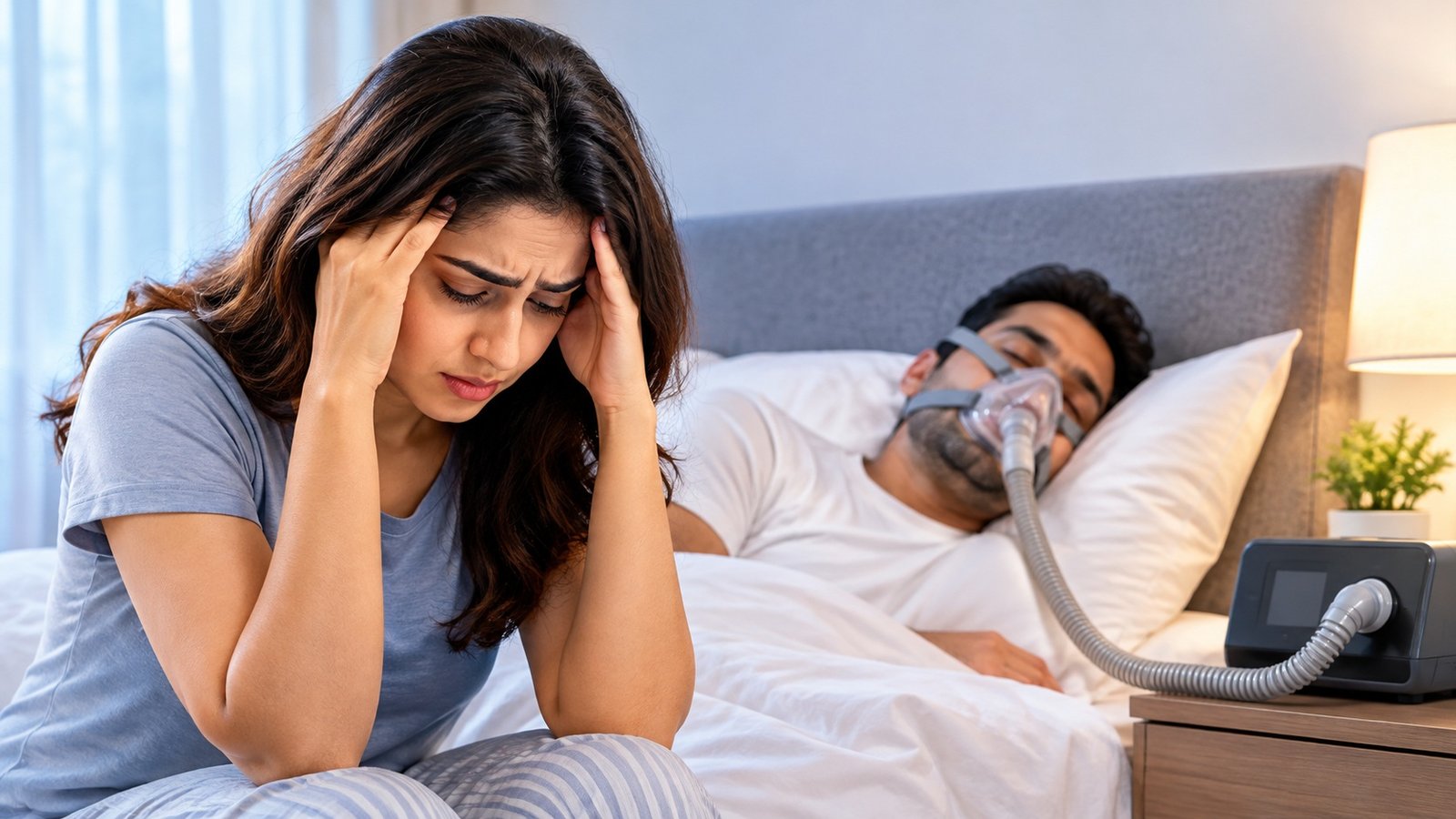
Anxiety and Sleep Apnea: Understanding the Hidden Connection
Anxiety and sleep problems often occur together, affecting both mental and physical well-being. Many people experience racing thoughts, restlessness, difficulty falling asleep, or repeated waking during the night. While stress and emotional health can contribute to these problems, an underlying sleep condition may also play a role.
One important connection that deserves attention is the relationship between anxiety and sleep apnea. Sleep apnea is a breathing-related sleep disorder that repeatedly interrupts normal breathing during sleep. These interruptions can affect sleep quality, increase daytime fatigue, and contribute to emotional difficulties.
Understanding this connection can help individuals recognise possible warning signs and seek appropriate care. Identifying both sleep-related and mental health concerns is an important step towards better overall well-being.
What Is the Connection Between Anxiety and Sleep Apnea?
Anxiety is a condition that involves excessive worry, nervousness, fear, or persistent feelings of uneasiness. Sleep apnea, on the other hand, occurs when breathing repeatedly stops or becomes reduced during sleep.
Although they are different conditions, they can influence each other.
When someone has sleep apnea, repeated breathing interruptions can prevent the body from getting consistent, restorative sleep. Poor sleep may affect emotional regulation, stress responses, and daytime concentration. As a result, some individuals may experience increased anxiety or find existing anxiety symptoms more difficult to manage.
At the same time, anxiety can make it harder to fall asleep or return to sleep after waking up.
This creates a cycle in which sleep difficulties and emotional distress may affect each other.
How Does Sleep Apnea Affect Mental Health?
Sleep is essential for brain function and emotional balance. When breathing interruptions repeatedly disturb sleep, the brain may not receive enough uninterrupted rest.
This can affect daily functioning in several ways.
1. Increased Stress and Nervousness
Repeated sleep disturbances can affect the body's stress-response systems. Some individuals may feel more nervous, overwhelmed, or emotionally sensitive during the day.
2. Difficulty Concentrating
Poor-quality sleep can affect memory, attention, and decision-making. Everyday responsibilities may feel more difficult, potentially adding to existing stress.
3. Mood Changes and Irritability
People who do not sleep well may experience frustration, mood swings, and reduced emotional control. These difficulties can affect personal relationships and work performance.
4. Persistent Daytime Fatigue
Even after spending several hours in bed, individuals with sleep apnea may wake up feeling exhausted. Ongoing fatigue can reduce motivation and make it harder to manage everyday challenges.
5. Increased Emotional Distress
Sleep apnea and anxiety may occur together, creating additional difficulties for people already experiencing mental health concerns. However, sleep apnea does not cause anxiety in every individual, and anxiety symptoms should not automatically be attributed to a breathing disorder.
Common Symptoms of Anxiety and Sleep Apnea
Recognising the symptoms of both conditions can help individuals understand when professional evaluation may be necessary.
Common anxiety symptoms include:
- Excessive worrying or nervousness
- Racing thoughts, especially at night
- Restlessness and difficulty relaxing
- Increased irritability
- Trouble concentrating
- Difficulty falling asleep
- Feelings of fear or uneasiness
Common sleep apnea symptoms include:
- Loud and frequent snoring
- Pauses in breathing during sleep
- Waking up gasping or choking
- Morning headaches
- Dry mouth after waking
- Frequent nighttime awakenings
- Excessive daytime sleepiness
If these symptoms occur together, it may be helpful to discuss both sleep quality and mental health with qualified healthcare professionals.
Why Is Sleep Apnea Sometimes Overlooked?
Not everyone with sleep apnea experiences obvious symptoms. Some people do not realise that their breathing is interrupted during the night.
For example, a person may complain of morning tiredness, poor concentration, irritability, or anxiety without knowing that a breathing-related sleep disorder could be contributing to these problems.
Some individuals may also have Upper Airway Resistance Syndrome (UARS), a condition involving increased resistance to airflow during sleep. It can cause repeated sleep disturbances even without the typical breathing pauses associated with obstructive sleep apnea.
A proper evaluation may involve reviewing symptoms, medical history, airway-related factors, and recommending a sleep study when appropriate.
Effective Approaches to Anxiety Treatment
Managing anxiety requires understanding its causes, symptoms, and impact on daily life. The right approach depends on the individual's mental health needs.
Some commonly recommended approaches include:
Cognitive Behavioural Therapy (CBT)
CBT helps individuals recognise unhelpful thought patterns and develop healthier ways of responding to stressful situations. It can be useful for managing excessive worry, negative thinking, and anxiety-related sleep difficulties.
Lifestyle and Stress Management
Regular physical activity, relaxation exercises, consistent sleep routines, and reducing excessive caffeine intake may support emotional well-being.
Professional Counselling
Talking to a qualified mental health professional can help individuals understand emotional triggers, develop coping strategies, and manage ongoing stress.
Medication When Appropriate
In some cases, a doctor may recommend medication as part of an anxiety management plan. The choice of treatment depends on the individual's symptoms, medical history, and overall health.
Understanding Different Anxiety Disorder Treatments
There is no single approach that works for everyone. Anxiety Disorder Treatments may include psychotherapy, medication, lifestyle changes, or a combination of these methods.
Treatment should be based on a proper assessment rather than self-diagnosis. It is also important to evaluate sleep-related concerns when anxiety occurs alongside persistent snoring, breathing difficulties, or daytime exhaustion.
For individuals experiencing both anxiety and depressive symptoms, Treatment For Anxiety And Depression may involve psychological therapy, medical management, and supportive lifestyle changes.
Addressing sleep problems alongside mental health concerns may improve overall treatment outcomes and daily functioning.
How breathline Highlights the Importance of Healthy Sleep
At breathline, the focus includes understanding airway-related sleep concerns and their possible effects on overall well-being.
Breathing difficulties during sleep can interrupt normal rest and contribute to symptoms such as fatigue, poor concentration, and unrefreshing sleep. These symptoms may sometimes overlap with emotional and mental health concerns.
Airway-focused evaluation can help identify possible breathing-related factors in selected individuals. Depending on the findings, suitable treatment options may be discussed with qualified professionals.
It is important to remember that treating sleep apnea does not replace professional anxiety care. Both conditions should be evaluated and managed according to individual needs.
Conclusion
The relationship between anxiety and sleep apnea highlights the importance of looking beyond sleep difficulties or emotional symptoms alone. Repeated breathing interruptions can disturb sleep quality and contribute to daytime fatigue, irritability, and emotional challenges.
Recognising the symptoms of both conditions can help individuals seek appropriate assessment and treatment. Whether the concern involves anxiety, sleep apnea, or both, a combination of professional guidance, suitable treatment, and healthy daily habits can support better well-being.
Understanding the connection between breathing, sleep, and mental health is an important step towards improving overall quality of life.
Frequently Asked Questions (FAQs)
1. Can sleep apnea cause anxiety?
Sleep apnea can contribute to poor sleep quality, daytime fatigue, and emotional difficulties. These effects may increase anxiety symptoms in some individuals, although sleep apnea does not cause anxiety in everyone.
2. Can anxiety make sleep apnea worse?
Anxiety can make it harder to fall asleep and return to sleep after waking. Although anxiety does not directly cause airway obstruction, it can add to sleep difficulties experienced by someone with sleep apnea.
3. What are the common signs of anxiety and sleep apnea?
Common signs include excessive worrying, difficulty sleeping, loud snoring, waking up gasping, morning headaches, daytime tiredness, and poor concentration.
4. What is the best Anxiety Treatment?
Treatment depends on individual symptoms and needs. CBT, counselling, stress management, and medication when clinically appropriate are common approaches.
5. What are the available Anxiety Disorder Treatments?
Anxiety Disorder Treatments may include psychotherapy, CBT, prescribed medication, relaxation techniques, and lifestyle changes. A qualified professional can recommend a suitable treatment plan.
6. Can treating sleep apnea improve mental health?
Improving sleep apnea may support better sleep quality, daytime alertness, and emotional well-being. However, individuals with anxiety may still need separate mental health treatment.
7. What is the right Treatment For Anxiety And Depression?
Treatment may involve psychotherapy, medication when appropriate, lifestyle improvements, and regular professional follow-up. The approach depends on the individual's symptoms and clinical assessment.
8. When should I seek professional help?
Seek professional advice if you experience persistent anxiety, ongoing sleep difficulties, loud snoring, breathing interruptions during sleep, or excessive daytime fatigue. Early evaluation can help identify the underlying concerns and guide appropriate treatment.
Popular Posts
Technology

Business

- November 03, 2026
What Makes a Modular Wardrobe Practical for Gurgaon Homes?
Business

- November 03, 2026
What Is Corporate Interior Branding? A Guide for Delhi Offices
Business

Business

- October 31, 2026
Modular Kitchen Cost Calculator: What Your Estimate Includes
Business

- October 31, 2026
How to Compare Custom Modern Kitchen Design Quotes Before Deciding
Health

- October 31, 2026
How to Find ADHD Treatment Centres in Kochi
Business

- October 31, 2026
Top 5 Refrigerator Brands in India 2026: A Complete Buying Guide
Technology

- October 31, 2026
Commercial Solar Power Plant: A Simple Guide for Businesses in 2026
Business