- November 3, 2026
- Last Update 10:46 AM
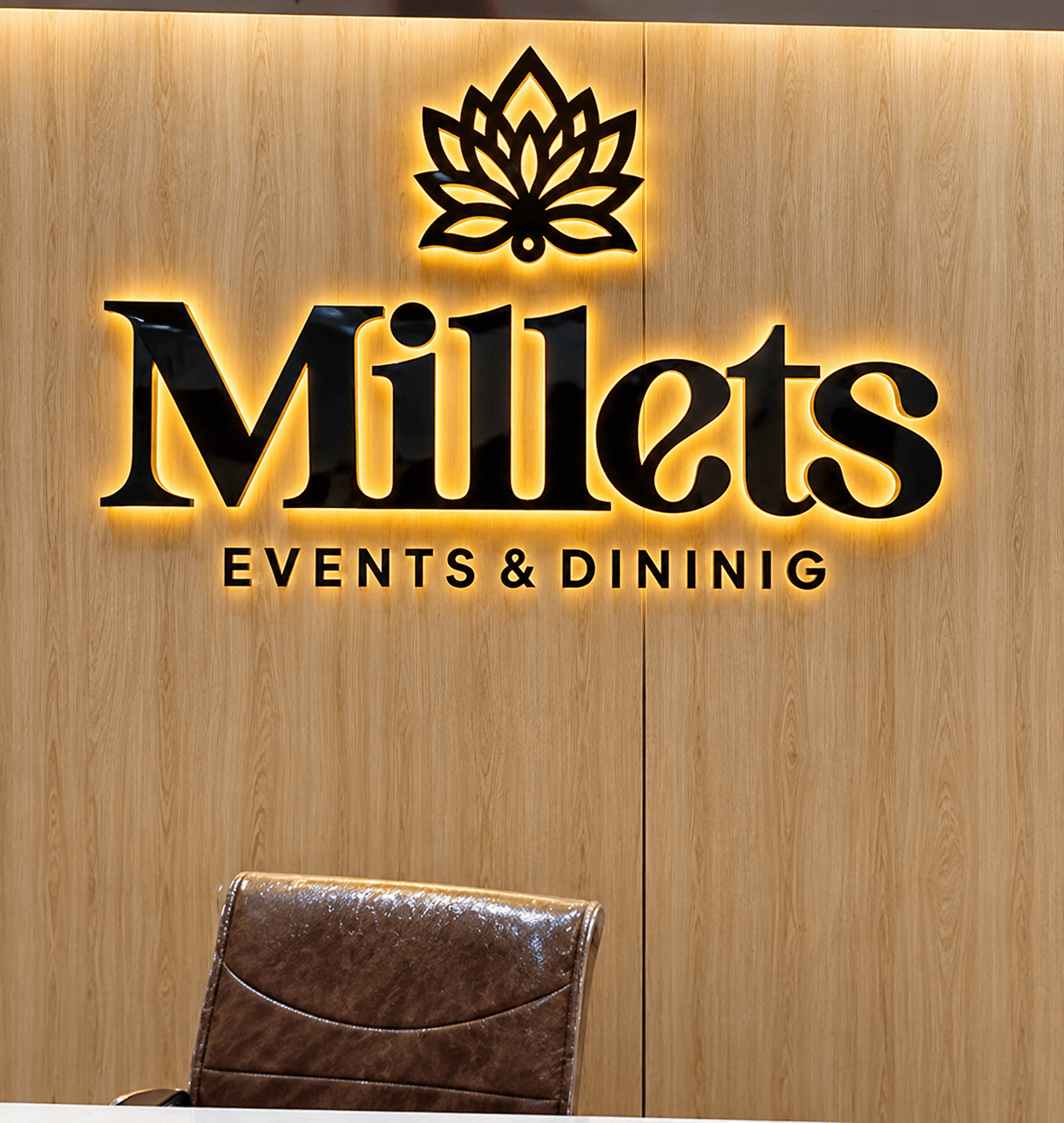
What Is Corporate Interior Branding? A Guide for Delhi Offices
A visitor walks into your office and sees the reception desk, walls and meeting rooms. Do those spaces feel like they belong to one company? Corporate Interior Branding brings brand colours, logos and messages into the physical workplace. It can help employees and visitors recognise your organisation while making the office easier to navigate. This guide explains what it includes and how signage can support a consistent office experience.
What does corporate interior branding include?
Corporate interior branding uses visual elements inside a workplace to express a company’s identity. It can include wall graphics, reception logos, room signs, directories, wayfinding and branded meeting spaces.
Branding works best when each element supports the space’s purpose. A reception wall introduces the company. A meeting-room sign identifies a destination. A directional sign helps a visitor find it. Together, these details connect visual identity with everyday use.
Artroot Signages focuses on custom signage and branding elements for offices and commercial spaces. Its listed services include reception signs, wayfinding, dimensional letters and custom branding solutions. For a full office redesign, signage can be planned alongside the work of an interior design team.
How can signage support Corporate Interior Branding?
Signage turns brand guidelines into visible features across the office. The logo, colours, lettering and materials can appear in selected places, while the wording helps people understand where to go.
|
Office area |
Signage option |
Main purpose |
|
Reception |
Logo panel or dimensional letters |
Introduce the organisation |
|
Corridors |
Directional signs and directories |
Guide visitors and staff |
|
Meeting rooms |
Room names or numbers |
Help people identify spaces |
|
Shared areas |
Wall graphics or branded panels |
Reinforce the workplace identity |
|
Building entrance |
Exterior sign board |
Help visitors find the office |
A reception logo can use acrylic, metal or illuminated letters, depending on the wall and design. Artroot’s Reception Logo Signages page lists options such as stainless steel, brushed brass, acrylic and LED modules.
How should you plan office branding signs?
Start with the visitor and employee journey, then decide where signs will help. A short site review can reveal places where people pause, miss a turn or struggle to find a room.
- List key destinations. Include reception, meeting rooms, lifts, departments and exits.
- Map the routes. Follow the path from the building entrance to each destination.
- Set a visual system. Choose consistent colours, fonts, symbols and naming rules.
- Match signs to surfaces. Check wall materials, lighting, viewing angles and mounting needs.
- Review a scaled design. Confirm size, contrast and placement before fabrication.
- Plan for updates. Use changeable directory panels if room names or teams may shift.
Artroot’s wayfinding and directional signage service describes modular panels, acrylic plaques, metal plates and other formats for navigation. A consistent sign system can support Corporate Interior Branding while helping people move through the space.
How do you coordinate signage with office design?
Signage should work with the room rather than compete with it. Consider the wall finish, lighting, furniture and viewing distance before selecting a sign material or style.
If you are working with Commercial interior designers in Delhi, share your brand guidelines and signage needs early. The same applies when an Office interior company is planning walls, partitions or reception areas. Early coordination can help the team account for sign dimensions, lighting and power access.
A signage manufacturer can provide the signs and installation details, while the interior team handles broader space planning. For example, a reception logo may need a smooth wall area, while directional signs may need consistent locations along corridors.
Which materials and finishes suit a corporate office?
Choose materials based on the look you want and where each sign will sit. Acrylic can suit clean, modern displays. Brushed metal can create a more formal finish. Modular panels can help when directory information changes often.
Before you decide, check:
- Whether the finish reflects nearby lights
- Whether the sign stands out from the wall
- How the sign will attach to the surface
- Whether the material suits indoor or outdoor conditions
- How the sign can be cleaned and maintained
The best choice depends on the site, not only the brand palette. Artroot describes site measurements and material selection as part of its reception signage planning. Ask the fabricator to show a scale preview and explain how the proposed material fits the wall.
What should you ask a signage provider?
When comparing a custom sign board manufacturer in Delhi, ask how the design, material and installation fit your office. A useful proposal should explain what the sign includes and what the site needs.
Ask questions such as:
- What material and finish do you recommend for this wall?
- How will the sign be fixed and aligned?
- If it is illuminated, where will wiring and components sit?
- Can directory names be changed later?
- Does the quote include site measurement and installation?
A Signage Company in Delhi should also clarify which parts of the project it handles. Confirm whether the scope covers design, fabrication, delivery and installation. Then compare proposals using the same sign dimensions and specifications.
Conclusion
Corporate Interior Branding connects a company’s visual identity with the spaces people use each day. Plan reception logos, room signs and wayfinding as one system. Coordinate the sign designs with the interior team, check materials against the site and review installation details before fabrication. To plan office signage in Delhi NCR, explore Artroot’s signage services.
Frequently Asked Questions
Is corporate interior branding the same as office interior design?
No. Interior design shapes how a workplace functions and looks, including layout, furniture, lighting and finishes. Corporate interior branding adds visual identity to that environment through logos, colours, wall graphics and signs. The two areas often work together, so coordinate them early when planning a new office or renovation.
Can office branding help visitors find their way?
Yes, when branding includes clear identification and directional signs. A reception logo helps visitors confirm they have reached the right office, while directories and arrows guide them to rooms or departments. Keep names consistent across signs and maps so visitors do not have to interpret conflicting labels.
How do I keep signage consistent across multiple office floors?
Create a simple sign standard before ordering. Record approved colours, fonts, logo use, room names, symbols and sign types. Then use that guide for every floor and future update. A modular directory can also make changes easier when teams or room assignments shift.
Should I choose illuminated or non-illuminated reception signage?
It depends on ambient light, wall location and the look you want. Illuminated signs can stand out in a dim lobby, while non-illuminated letters may suit a bright office. Review both options against the actual wall and ask how lighting components and wiring will be installed.
What information should I provide for an office signage quote?
Share the office address, wall measurements, photos, brand files and a list of signs you need. Include the intended locations, wall surfaces and any lighting preferences. These details help a provider prepare a proposal that covers the right materials, sign sizes and installation work.
Popular Posts
Business
Business

- October 31, 2026
Modular Kitchen Cost Calculator: What Your Estimate Includes
Business

- October 31, 2026
How to Compare Custom Modern Kitchen Design Quotes Before Deciding
Health

- October 31, 2026
How to Find ADHD Treatment Centres in Kochi
Business

- October 31, 2026
Top 5 Refrigerator Brands in India 2026: A Complete Buying Guide
Technology

- October 31, 2026
Commercial Solar Power Plant: A Simple Guide for Businesses in 2026
Business

Business

- October 31, 2026
Air Dryer Machine: Types, Working, Benefits, and Applications
Technology

Health