
- November 21, 2026
- Last Update 08:43 PM
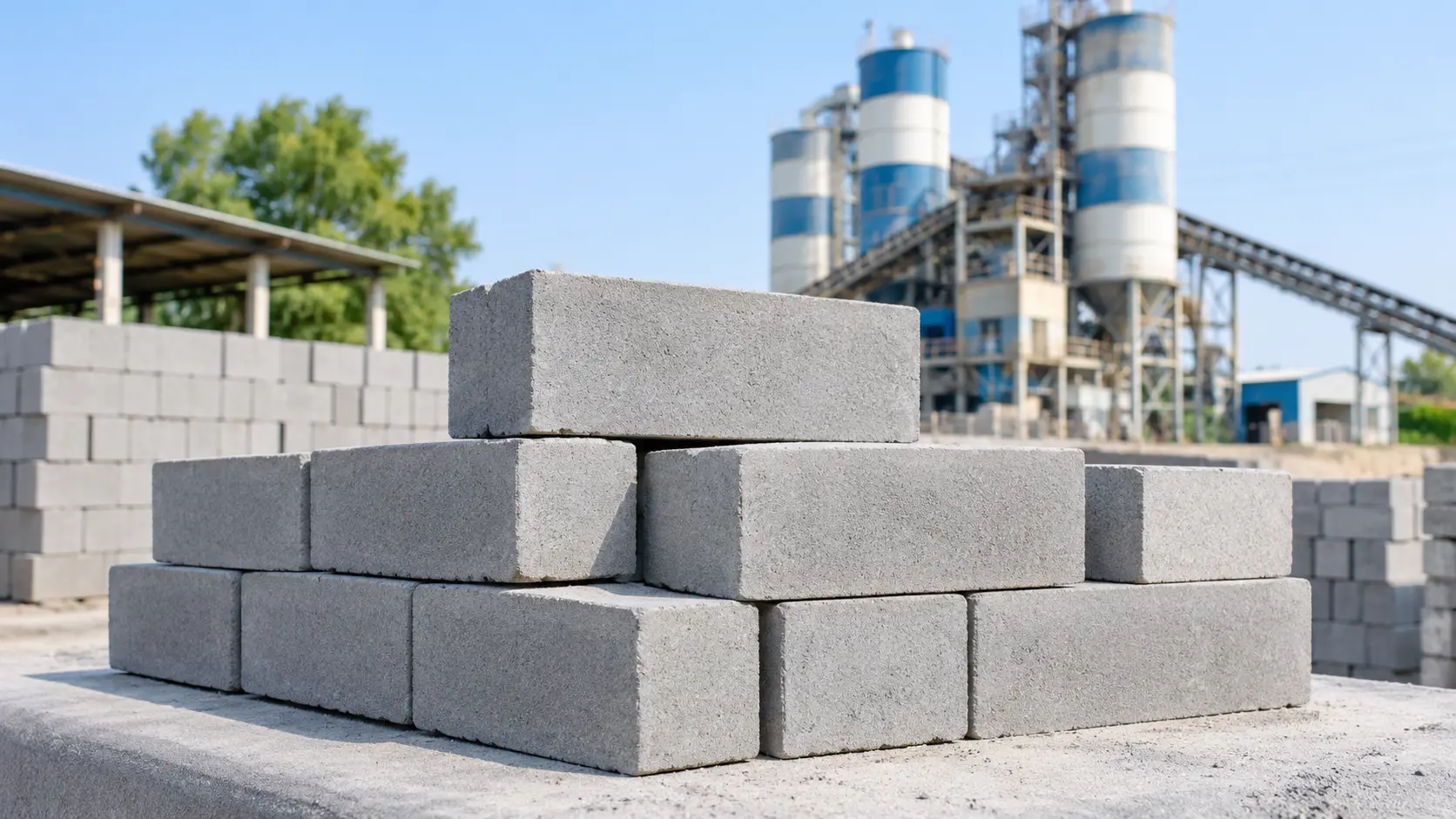
Fly Ash Bricks Manufacturers: Benefits, Uses and How to Choose the Right Supplier
Bricks are an essential construction material used in residential buildings, commercial properties, boundary walls and various infrastructure projects. With changing construction requirements, builders and property owners are exploring different brick options that offer suitable strength, consistent dimensions and reliable performance.
Fly Ash Bricks Manufacturers play an important role in supplying masonry materials for modern construction projects. Fly ash bricks are manufactured using fly ash and other suitable materials through a controlled production process. They are commonly considered for building walls and other masonry applications.
Understanding their manufacturing process, benefits, applications and differences from traditional clay bricks can help buyers select suitable materials for their projects.
What Are Fly Ash Bricks?
Fly ash bricks are construction blocks manufactured using fly ash along with other materials such as sand or stone dust, cement or lime, depending on the production process.
Fly ash is a fine powder generated as a by-product of coal-based thermal power generation. It can be used as a raw material in brick production when processed and combined with suitable binding materials.
These bricks are generally manufactured through mixing, moulding and curing. Their quality depends on the raw materials, production methods and curing conditions.
Fly ash bricks are used in residential and commercial construction for different types of masonry work.
How Are Fly Ash Bricks Manufactured?
The manufacturing process involves several stages to produce bricks with suitable dimensions and properties.
1. Raw Material Selection
The first step involves selecting appropriate raw materials, including fly ash, sand or stone dust and suitable binding materials. Their quality and proportions influence the final product.
2. Mixing
The selected materials are mixed in specified proportions to create a consistent mixture. Proper mixing helps distribute the materials evenly throughout the batch.
3. Moulding and Pressing
The prepared mixture is placed into moulds and compressed using suitable machinery. This process gives the bricks their required shape and dimensions.
4. Curing
After moulding, the bricks undergo curing under controlled conditions. Curing helps the binding materials develop strength and improves the properties of the finished bricks.
5. Quality Checking
The finished products should be checked for dimensions, visible defects and relevant technical properties. Testing can include compressive strength and water absorption according to applicable standards.
Benefits of Fly Ash Bricks
Fly ash bricks offer several characteristics that make them suitable for different construction requirements.
1. Consistent Dimensions
Controlled moulding and pressing processes can produce bricks with uniform dimensions. Consistency can help masons maintain more regular masonry joints.
2. Suitable Strength
Properly manufactured and cured fly ash bricks can achieve strength levels suitable for specified masonry applications. Buyers should verify test results before selecting them.
3. Smooth Surface Finish
Many fly ash bricks have a relatively smooth surface, which can help with masonry work and may reduce the amount of surface preparation required for certain finishes.
4. Efficient Use of Industrial By-products
Fly ash is used as a raw material in brick production. This provides a productive use for a material generated by thermal power plants.
5. Construction Versatility
Fly ash bricks can be used in different residential and commercial masonry applications, depending on their tested properties and project specifications.
Fly Ash Bricks vs Clay Bricks
Both fly ash bricks and traditional clay bricks are used in the construction industry. However, their raw materials and manufacturing processes are different.
| Comparison | Fly Ash Bricks | Clay Bricks |
|---|---|---|
| Main material | Fly ash with other suitable materials | Natural clay |
| Manufacturing process | Mixing, moulding and curing | Shaping and high-temperature firing |
| Appearance | Often grey or cement-like shades | Generally reddish or earthy shades |
| Dimensions | Can offer consistent dimensions | May vary depending on manufacturing |
| Surface | Often relatively smooth | Depends on moulding and firing quality |
| Common applications | Residential and commercial masonry | Residential and commercial masonry |
When comparing Clay Brick Manufacturers with fly ash brick suppliers, buyers should evaluate product specifications, strength, water absorption, dimensions and suitability for the intended application.
Neither option is automatically better for every project. The correct choice depends on engineering requirements, construction design and material quality.
What Are Fly Ash Blocks?
Fly ash blocks are masonry units manufactured using fly ash and other suitable raw materials. Depending on their composition and production process, they may be available in different sizes and configurations.
Customers searching for Fly Ash Block Manufacturers should understand the difference between fly ash bricks and larger masonry blocks. Product dimensions, density, strength and intended applications can vary.
Before purchasing, check the manufacturer's technical specifications and confirm whether the product is suitable for the planned wall or construction application.
Applications of Fly Ash Bricks
Fly ash bricks are used in several construction activities, depending on their quality and approved application.
-
Residential Buildings: Used for suitable internal and external masonry work.
-
Commercial Properties: Applied in offices, shops and other commercial buildings.
-
Partition Walls: Used for dividing interior spaces where the design permits.
-
Boundary Walls: Can be considered for compound walls according to structural requirements.
-
General Masonry: Used in building projects where the selected brick meets the required technical specifications.
For load-bearing construction, always follow the structural engineer's specifications and relevant building standards.
How to Choose Reliable Fly Ash Bricks Manufacturers
Selecting the right supplier is important for maintaining construction quality and ensuring timely material supply.
Consider the following factors when evaluating Fly Ash Bricks Manufacturers:
-
Manufacturing Quality: Check whether the production process follows consistent quality-control practices.
-
Compressive Strength: Ask for relevant test results to verify whether the bricks meet project requirements.
-
Water Absorption: Check the product's water absorption against applicable specifications.
-
Dimensions: Confirm the length, width and height of the bricks before ordering.
-
Surface Quality: Inspect the products for cracks, damaged edges and visible defects.
-
Supply Capacity: Confirm whether the supplier can provide the required quantity.
-
Transportation: Discuss delivery arrangements, transportation costs and unloading requirements.
Comparing these factors can help builders, contractors and property owners make more informed purchasing decisions.
Fly Ash Brick Supply by Chhikara Builders
Chhikara Builders is associated with construction material supply in the Gurgaon region, including red bricks, fly ash bricks and AAC blocks.
Customers comparing Fly Ash Brick Manufacturers, Fly Ash Block Manufacturers, and Clay Brick Manufacturers can evaluate the available materials to meet their project requirements.
Before finalising an order, buyers should confirm product dimensions, technical specifications, pricing, quantity, and delivery arrangements. Selecting suitable construction materials can help maintain consistency and support the overall quality of a building project.
Conclusion
Fly ash bricks are an important construction material used in residential and commercial masonry. Their manufacturing process, consistent dimensions and use of fly ash make them an option worth considering for suitable construction projects.
When choosing Fly Ash Bricks Manufacturers, evaluate product quality, compressive strength, water absorption, dimensions and supply capacity. Also compare fly ash bricks with clay bricks and other masonry options before making a decision.
Chhikara Builders offers construction material options, including fly ash bricks, red bricks and AAC blocks, for customers in the Gurgaon region.
Frequently Asked Questions
1. What are fly ash bricks made of?
Fly ash bricks are manufactured using fly ash combined with other suitable materials such as sand or stone dust and binding materials like cement or lime, depending on the production process.
2. What are the main benefits of fly ash bricks?
They can offer consistent dimensions, a relatively smooth surface and suitable strength when properly manufactured and cured.
3. What is the difference between fly ash bricks and clay bricks?
Fly ash bricks are produced using fly ash and other materials through moulding and curing, while clay bricks are made from natural clay and generally fired at high temperatures.
4. What should I check before choosing fly ash brick manufacturers?
Check compressive strength, water absorption, dimensions, manufacturing quality, supply capacity and delivery arrangements.
5. Are fly ash bricks suitable for residential construction?
Yes, fly ash bricks are used in residential masonry applications. Their suitability depends on product quality, structural design and the technical specifications of the project.
Popular Posts
Business

- November 19, 2026
Solar Energy Company in Manesar: Solar Options for Factories
Health

- November 17, 2026
Treatment for Anxiety and Depression: Therapy vs Medication
Business

Business
- November 13, 2026
High Pressure Air Compressors: Types, Uses and Benefits
Health

- November 11, 2026
ADHD Treatment Centres: How to Choose the Right One
Business

- November 11, 2026
Modular Kitchen Designs in Gurgaon: Layouts That Save Space
Health

- November 10, 2026
Anxiety and Sleep Apnea: Understanding the Hidden Connection
Technology

Business
- November 03, 2026
What Makes a Modular Wardrobe Practical for Gurgaon Homes?
Business

- November 03, 2026