
- November 17, 2026
- Last Update 06:53 PM

Treatment for Anxiety and Depression: Therapy vs Medication
Anxiety and depression are common mental health conditions that can affect how people think, feel, and manage everyday activities. Some individuals experience constant worry, fear, or restlessness, while others struggle with sadness, low motivation, and a loss of interest in things they once enjoyed. Sometimes, both conditions occur together and make daily life more challenging.
Finding the right Treatment For Anxiety And Depression starts with understanding the symptoms and identifying their possible causes. Therapy and medication are two common treatment approaches. While some people benefit from one method, others may need a combination of both.
Sleep quality is another important factor to consider. Sleep disturbances and breathing-related problems can sometimes contribute to symptoms such as fatigue, poor concentration, and emotional difficulties. Understanding these connections can help individuals explore appropriate care.
Understanding Anxiety and Depression
Although anxiety and depression are different conditions, they can share certain symptoms.
Anxiety often involves excessive worry, nervousness, fear, and difficulty relaxing. People may feel restless even when there is no immediate reason to worry.
Depression can affect mood, energy, motivation, and interest in everyday activities. It may make even simple responsibilities feel difficult.
Common symptoms include:
- Persistent worry or sadness
- Difficulty concentrating
- Changes in sleep patterns
- Low energy and constant tiredness
- Loss of interest in daily activities
- Irritability and mood changes
- Feeling overwhelmed by everyday responsibilities
- Changes in appetite
If these symptoms continue or interfere with daily life, professional assessment can help identify the problem and guide treatment.
What Are the Common Anxiety Disorder Treatments?
There is no single treatment that works for everyone. The right approach depends on the type of anxiety, symptom severity, medical history, and individual needs.
Some commonly recommended Anxiety Disorder Treatments include psychotherapy, medication, and lifestyle support.
1. Cognitive Behavioural Therapy (CBT)
Cognitive Behavioural Therapy is a widely used approach for managing anxiety and depression. It helps individuals recognise negative thinking patterns and understand how thoughts influence emotions and behaviour.
During CBT sessions, a therapist may help patients:
- Identify triggers that increase anxiety.
- Manage negative or unhelpful thoughts.
- Develop healthier responses to stressful situations.
- Build confidence in handling everyday challenges.
- Improve emotional regulation.
CBT focuses on practical skills that individuals can gradually use in their daily lives.
2. Counselling and Talk Therapy
Talking with a qualified mental health professional provides a safe environment to discuss personal difficulties, emotional concerns, and stressful experiences.
Counselling may help individuals understand their feelings, improve relationships, and develop better coping strategies.
It can be useful for people experiencing emotional distress, relationship problems, work-related stress, or ongoing life changes.
3. Medication for Anxiety and Depression
Medication may be recommended when symptoms are moderate to severe or significantly affect everyday functioning.
Doctors may prescribe antidepressants or other appropriate medicines depending on the diagnosis. These medications can help manage symptoms by affecting certain chemical processes in the brain.
However, medication choices should always be made by a qualified doctor. The treatment plan may require regular monitoring to review effectiveness and possible side effects.
Patients should not stop or change prescribed medication without consulting their healthcare professional.
Therapy vs Medication: Which Is Better?
Both therapy and medication can be effective, but they work in different ways.
|
Therapy |
Medication |
|
Helps identify negative thought patterns |
Helps manage symptoms through biological processes |
|
Develops long-term coping skills |
May reduce symptoms over time |
|
Involves regular sessions with a therapist |
Requires medical supervision |
|
Does not usually involve medication-related side effects |
May cause side effects depending on the medicine |
|
Can be useful for different anxiety and depression concerns |
May be recommended for moderate or severe symptoms |
For some individuals, therapy alone may provide sufficient support. Others may benefit from medication, while some need both approaches.
The best choice depends on professional assessment rather than personal preference alone.
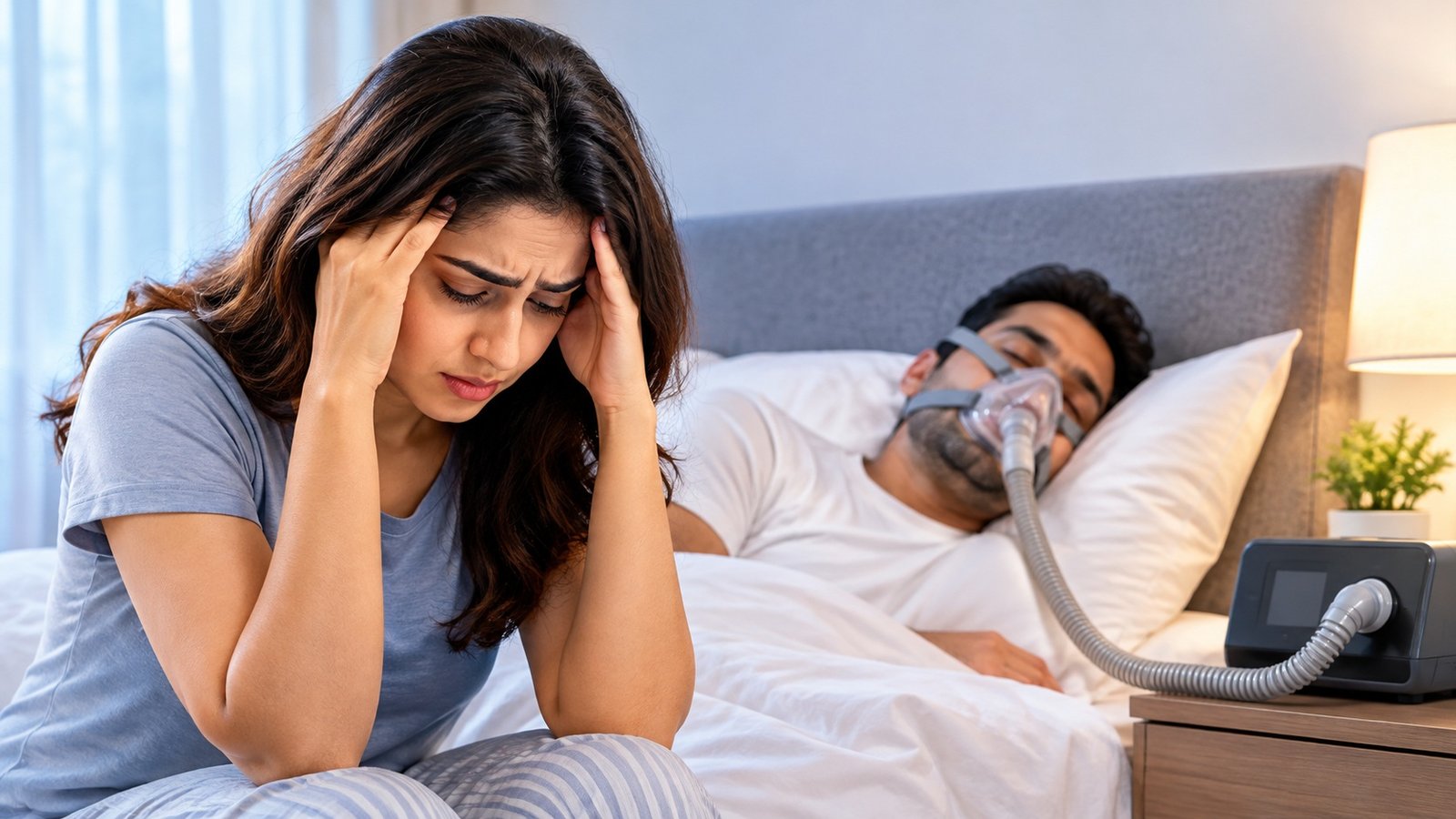
Understanding the Connection Between Anxiety And Sleep Apnea
Sleep plays an important role in emotional health and mental well-being. When sleep is repeatedly interrupted, it can affect concentration, mood, energy, and the ability to manage stress.
One condition worth understanding is obstructive sleep apnea. It occurs when the upper airway repeatedly becomes blocked or narrowed during sleep, causing interruptions in normal breathing.
Some common warning signs include:
- Loud and frequent snoring
- Waking up gasping or choking
- Morning headaches
- Dry mouth after waking
- Excessive daytime sleepiness
- Difficulty concentrating
- Feeling tired despite sleeping for several hours
Research has identified an association between sleep apnea and mental health difficulties, including anxiety and depressive symptoms. Poor sleep may contribute to emotional distress, while anxiety and depression can also affect sleep patterns.
This does not mean that sleep apnea directly causes every case of anxiety or depression. However, identifying untreated sleep problems can be an important part of understanding overall health.
Anxiety And Sleep Apnea Kochi: When Should You Seek Help?
People searching for Anxiety And Sleep Apnea Kochi should understand that mental health symptoms and sleep-related breathing problems may need separate but coordinated evaluation.
If you experience persistent anxiety along with loud snoring, interrupted breathing, morning headaches, or daytime fatigue, consider discussing these symptoms with qualified healthcare professionals.
A sleep evaluation may help identify breathing-related problems. Depending on the findings, a doctor may recommend a sleep study and suitable treatment.
Similarly, ongoing anxiety symptoms should be evaluated by a mental health professional rather than being attributed entirely to poor sleep.
Anxiety And Sleep Apnea Kerala: Understanding the Need for Proper Assessment
Interest in Anxiety And Sleep Apnea Kerala highlights the importance of recognising both emotional and physical factors that may affect sleep and daily functioning.
Treatment for sleep apnea may include CPAP therapy, suitable oral appliances, positional strategies, or other interventions based on individual clinical findings.
At breathline, the focus is on airway-related sleep concerns and understanding how breathing difficulties may affect sleep quality and daytime well-being.
For individuals experiencing anxiety symptoms alongside persistent snoring, mouth breathing, or unrefreshing sleep, evaluating possible sleep-related concerns may provide additional information.
Mental health treatment and sleep-related care should be guided by the appropriate qualified professionals.
Daily Habits That Support Mental and Sleep Health
Professional treatment is important, but healthy daily habits can also support emotional well-being.
Consider these practical steps:
- Maintain a consistent sleep and wake-up schedule.
- Include regular physical activity in your routine.
- Reduce caffeine intake, especially in the evening.
- Spend time with supportive friends and family.
- Practise relaxation techniques such as meditation or gentle breathing.
- Avoid excessive screen use before bedtime.
- Seek professional help when symptoms become difficult to manage.
These habits can complement treatment but should not replace necessary medical or psychological care.
Conclusion
Choosing the right Treatment For Anxiety And Depression involves understanding symptoms, identifying contributing factors, and exploring suitable professional support. Therapy helps individuals develop practical coping skills, while medication may help manage symptoms when clinically appropriate. For some people, combining both approaches provides additional benefits.
It is also important not to overlook sleep quality. Conditions such as sleep apnea may contribute to fatigue, concentration difficulties, and emotional challenges.
breathline highlights the importance of airway health and healthy breathing during sleep. Addressing both mental health concerns and possible sleep-related problems can support a more complete approach to overall well-being.
Frequently Asked Questions (FAQs)
1. What is the best Treatment For Anxiety And Depression?
The best treatment depends on individual symptoms and their severity. CBT, counselling, medication, or a combination of these approaches may be recommended following professional assessment.
2. Are Anxiety Disorder Treatments available without medication?
Yes. Therapy-based approaches such as CBT and counselling can help manage anxiety without medication for some individuals. A qualified professional can recommend the most appropriate option.
3. Is therapy better than medication for anxiety and depression?
Neither option is universally better. Therapy helps develop coping skills, while medication may help reduce symptoms. Some individuals benefit from combining both treatments.
4. Can sleep apnea increase anxiety symptoms?
Sleep apnea can disturb normal sleep and contribute to fatigue, irritability, and emotional difficulties. Research also suggests an association between sleep apnea and anxiety symptoms, although the relationship varies between individuals.
5. Where can I seek help for Anxiety And Sleep Apnea Kochi?
Consider consulting qualified mental health professionals for anxiety symptoms and appropriate sleep specialists for suspected sleep apnea. Both concerns may require separate evaluations.
6. What are the common signs of sleep apnea?
Common signs include loud snoring, breathing pauses during sleep, waking up gasping, morning headaches, dry mouth, and excessive daytime sleepiness.
7. Can treating sleep apnea improve mental well-being?
Treating sleep apnea may improve sleep quality, daytime alertness, and fatigue. Some people may also experience improvements in mood. However, anxiety or depression may require separate mental health treatment.
8. When should I seek professional help for anxiety and depression?
Seek professional help when persistent worry, sadness, sleep disturbances, or loss of interest begin affecting your daily activities and relationships. If you experience thoughts of self-harm, seek immediate support from emergency services or a mental health professional.
Popular Posts
Business

Business

- November 13, 2026
High Pressure Air Compressors: Types, Uses and Benefits
Health

- November 11, 2026
ADHD Treatment Centres: How to Choose the Right One
Business

- November 11, 2026
Modular Kitchen Designs in Gurgaon: Layouts That Save Space
Health
- November 10, 2026
Anxiety and Sleep Apnea: Understanding the Hidden Connection
Technology

Business

- November 03, 2026
What Makes a Modular Wardrobe Practical for Gurgaon Homes?
Business

- November 03, 2026
What Is Corporate Interior Branding? A Guide for Delhi Offices
Business

Business

- October 31, 2026