- November 27, 2026
- Last Update 10:43 AM
LED Video Displays: Types, Applications, Benefits and How to Choose the Right Screen
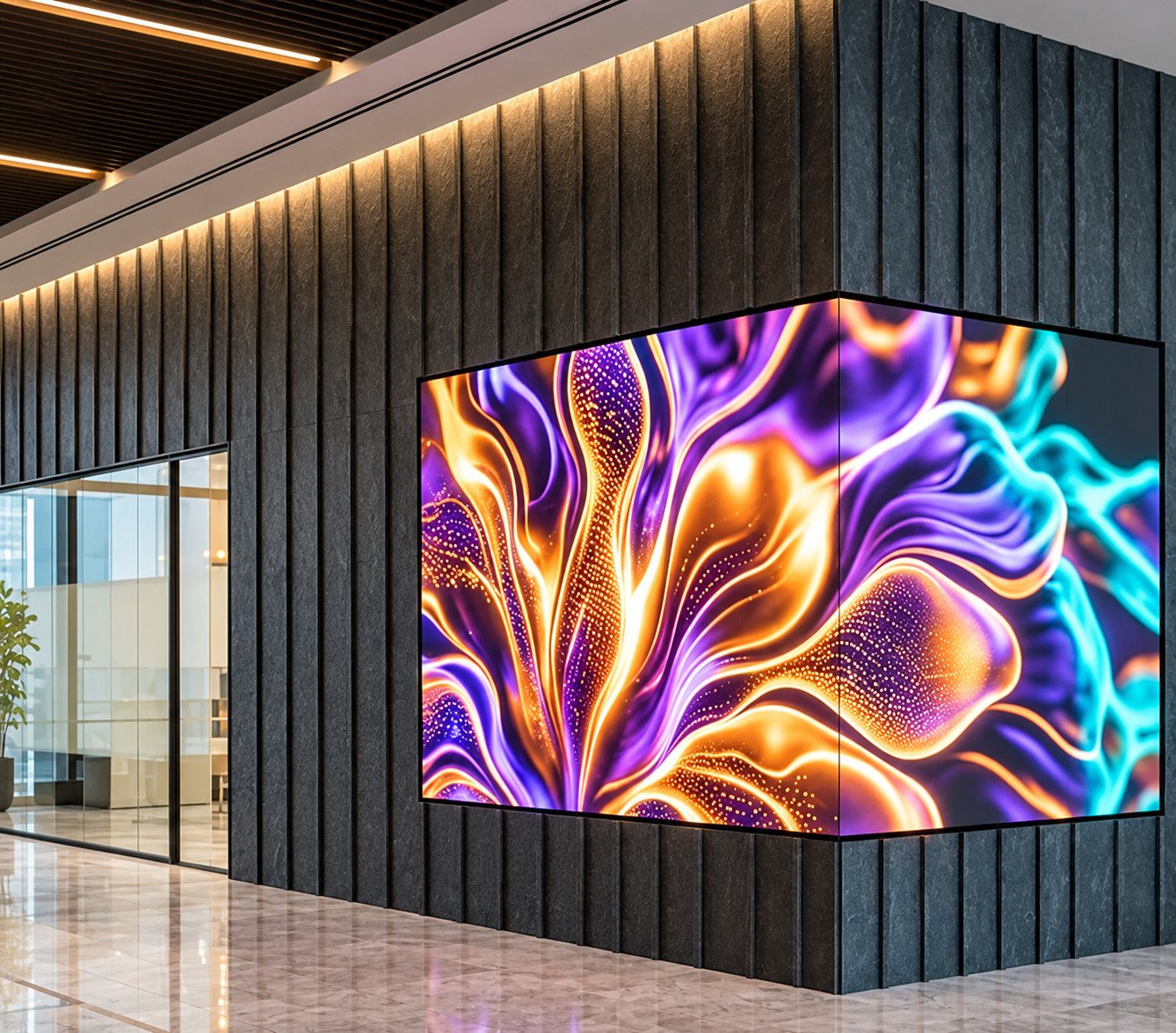
LED video displays are modular screens that use light-emitting diodes to show videos, images, and live content. Choose one by matching its pixel pitch to viewing distance, brightness to ambient light, and protection to the installation site. Indoor stores, outdoor advertisements, wedding stages, and corporate spaces each need different screen specifications.
Businesses and event organisers use LED screens to share messages, promote products, and create visual experiences. However, choosing the wrong screen can affect image quality, visibility, and operating costs.
This guide explains the main types of LED video displays, their applications, and their benefits. It also covers the key specifications to check before selecting a screen.
What Are LED Video Displays?
LED video displays are large digital screens made from multiple LED modules or panels. These panels work together to create a continuous display.
Unlike a printed sign, an LED screen can show moving images, videos, animations, advertisements, and live feeds. Moreover, its modular design allows businesses to choose different screen sizes and layouts.
An LED video wall can serve as a permanent display or an event screen. Its design depends on the location, audience distance, lighting, and content requirements.
What Are the Different Types of LED Video Displays?
The right display depends on where you plan to install it and how people will view it.
1. Indoor LED Video Displays
Indoor LED screens work well in places with controlled lighting. They often use smaller pixel pitches to deliver clearer images at close viewing distances.
Common applications include:
- Shopping malls and retail stores
- Corporate offices and reception areas
- Conference rooms and exhibition halls
- Restaurants and entertainment venues
- Control rooms and presentation spaces
These screens help businesses present promotions, company information, product videos, and live content.
2. Outdoor LED Video Displays
Outdoor LED video displays are designed for open spaces and changing weather conditions. They need higher brightness to remain visible in daylight.
They also require suitable protection against dust, rain, and temperature changes.
Common applications include:
- Outdoor Advertising LED Display installations
- Building facades and commercial complexes
- Roadside advertising screens
- Stadiums and sports venues
- Public spaces and event grounds
Before installation, check the screen's brightness, weather protection rating, and mounting structure.
3. Fine-Pitch LED Displays
Fine-pitch screens have smaller gaps between adjacent LED pixels. Therefore, they produce sharper images when viewers sit or stand close to the display.
They are useful for boardrooms, control rooms, premium retail interiors, and corporate presentations.
However, a smaller pixel pitch can increase the overall project cost. Choose it based on viewing distance rather than selecting the smallest available pitch.
4. Rental and Event LED Displays
Rental LED screens are designed for temporary installations and repeated assembly. Event organisers often use modular panels to create large display walls.
They work well for concerts, exhibitions, conferences, product launches, and wedding functions.
A Wedding LED Wall can display couple photographs, welcome messages, videos, and live camera feeds. Its layout can also match the stage design and event theme.
Read also: How to Choose the Right LED Sign Board for Your Shop in Delhi
Where Are LED Video Displays Commonly Used?
LED screens support different communication needs across commercial and public spaces.
|
Application |
Common Use |
|
Retail stores |
Product promotions, offers and brand videos |
|
Shopping malls |
Digital advertising and campaign displays |
|
Corporate offices |
Presentations, announcements and branding |
|
Weddings |
Stage backdrops, photographs and live videos |
|
Exhibitions |
Product demonstrations and promotional content |
|
Sports venues |
Live matches, scores and replays |
|
Outdoor locations |
Large-format digital advertising |
For example, a retail business may use a display to promote seasonal offers. Meanwhile, a wedding organiser may choose a large video wall for live event coverage.
What Are the Main Benefits of LED Video Displays?
LED technology offers several benefits for businesses and event organisers.
1. High Visibility: Bright screens can attract attention in busy commercial areas. Outdoor models can also deliver clear visuals in strong daylight when properly specified.
2. Dynamic Content: Businesses can display videos, animations, photographs, and changing promotions instead of relying on static graphics.
3. Flexible Screen Sizes: Modular LED panels allow different screen dimensions and layouts. As a result, installations can suit various walls, stages, and commercial spaces.
4. Remote Content Control: Suitable control systems allow users to update and schedule content remotely. This makes campaign management easier across different operating periods.
5. Professional Brand Presentation: A well-planned LED video wall can improve the appearance of retail stores, showrooms, offices, and event venues.
How to Choose the Right LED Video Display?
Choosing an LED screen involves more than comparing prices and screen sizes. Consider these six factors before making a decision.
1. Check the Pixel Pitch
Pixel pitch measures the distance between the centres of two neighbouring LED pixels. It affects image detail and the minimum comfortable viewing distance.
A smaller pitch generally suits closer viewers. In contrast, larger pitches can work for screens viewed from farther away.
2. Consider Screen Brightness
Brightness is measured in nits. Indoor screens and outdoor screens often need different brightness levels.
For example, a display inside a conference room does not face the same sunlight as a roadside advertising screen. Therefore, match brightness to the actual lighting conditions.
3. Select the Correct Screen Size
Measure the installation area before choosing the display size. Also, consider the audience position and the type of content you plan to show.
A large screen may look impressive. However, it should not block walkways, affect visibility, or overpower the surrounding space.
4. Check Weather Protection
Outdoor displays need suitable protection against rain, dust, and heat. Ask the supplier for the exact IP rating and the conditions covered by the product warranty.
Also, check whether the rear cabinet, electrical connections, and mounting arrangements suit the site.
5. Review the Control System
Check how the screen receives and plays content. Depending on your requirements, you may need remote scheduling, live video inputs, or support for multiple media formats.
In addition, ask for a demonstration of the content management system before finalising the project.
6. Evaluate Installation and Maintenance
A professional site assessment helps identify structural, electrical, and access requirements. Check the available power supply, ventilation, cable routes, and maintenance access.
Finally, ask about installation support, replacement LED modules, warranty terms, and technical assistance.
Common Mistakes to Avoid When Buying an LED Screen
Avoid these mistakes to make a better investment:
- Choosing pixel pitch without considering viewing distance.
- Installing an indoor display in an exposed outdoor location.
- Ignoring brightness and sunlight conditions.
- Selecting screen dimensions without checking the content format.
- Overlooking electrical and structural requirements.
- Comparing prices without checking installation and support.
A detailed site survey can help prevent these issues before installation begins.
Conclusion
LED video displays offer flexible options for digital advertising, retail branding, corporate communication, and live events. However, the right screen depends on its location, viewing distance, brightness, pixel pitch, and installation requirements.
Before choosing a display, compare its technical specifications and long-term support. Artroot Signages provides customised indoor and outdoor LED video display solutions, with screen planning and installation based on project requirements.
Visit Artroot Signages to discuss your display requirements and find a suitable screen for your commercial space or event.
Frequently Asked Questions
1. How much space is required for an LED video wall?
The required space depends on the display dimensions, mounting structure, viewing area, and maintenance access. You should also consider nearby electrical connections and ventilation. Before finalising the design, ask the installation team to assess the available wall or floor space.
2. Can LED video displays play live camera footage?
Yes. Compatible LED display systems can show live camera feeds, presentations, and other real-time content. However, the input connections, video processor, and control system must support the required sources. Discuss these needs before selecting the display equipment.
3. Can businesses update LED display advertisements remotely?
Many modern LED display systems support remote content management. Users can upload advertisements, schedule campaigns, and change promotional content through compatible software. However, remote access depends on the selected controller, software, and network connection.
4. What content resolution is suitable for an LED video wall?
The suitable resolution depends on the screen dimensions, pixel pitch, and viewing distance. Prepare content that matches the display's actual pixel dimensions and aspect ratio. Also, test videos and images before launch to prevent stretching, cropping, or blurred visuals.
5. Can individual LED panels be replaced?
Yes. Many modular LED displays allow technicians to replace individual panels or modules when faults occur. However, replacement parts should match the existing screen specifications. Regular inspection and access to compatible spare components can also help reduce downtime.
6. Should I rent or purchase an LED screen for an event?
Renting is often practical for one-time weddings, exhibitions, and short events. Purchasing may suit venues or businesses that use screens regularly. Compare equipment, transportation, installation, operator support, maintenance, and storage costs before making your decision.
Popular Posts
Business
Business
Business
- November 19, 2026
Solar Energy Company in Manesar: Solar Options for Factories
Health

- November 17, 2026
Treatment for Anxiety and Depression: Therapy vs Medication
Business
Business
- November 13, 2026
High Pressure Air Compressors: Types, Uses and Benefits
Health

- November 11, 2026
ADHD Treatment Centres: How to Choose the Right One
Business
- November 11, 2026
Modular Kitchen Designs in Gurgaon: Layouts That Save Space
Health

- November 10, 2026
Anxiety and Sleep Apnea: Understanding the Hidden Connection
Technology